

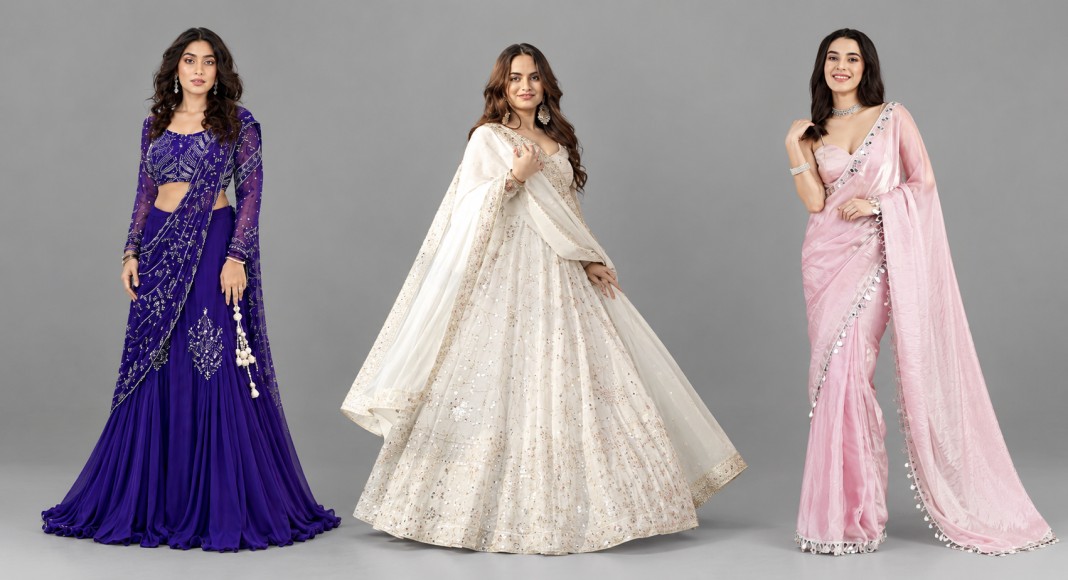
Fashion has always been closely linked to occasions in India. There is always an occasion to dress up for. Weddings, festivals, family dinners, office parties, pujas, and more. However, the shopping habits for ethnic wear have undergone a lot of changes. Consumers today are looking for classic cuts that don’t require hours to create, stitch, or alter.
Such a change has brought ready-to-wear Indian ethnic fashion to the forefront. More brands are now developing designs that can be selected and worn with minimal hassle, from sarees and lehengas to kurtas and festive dresses.
Why Ready-to-Wear is Having a Moment
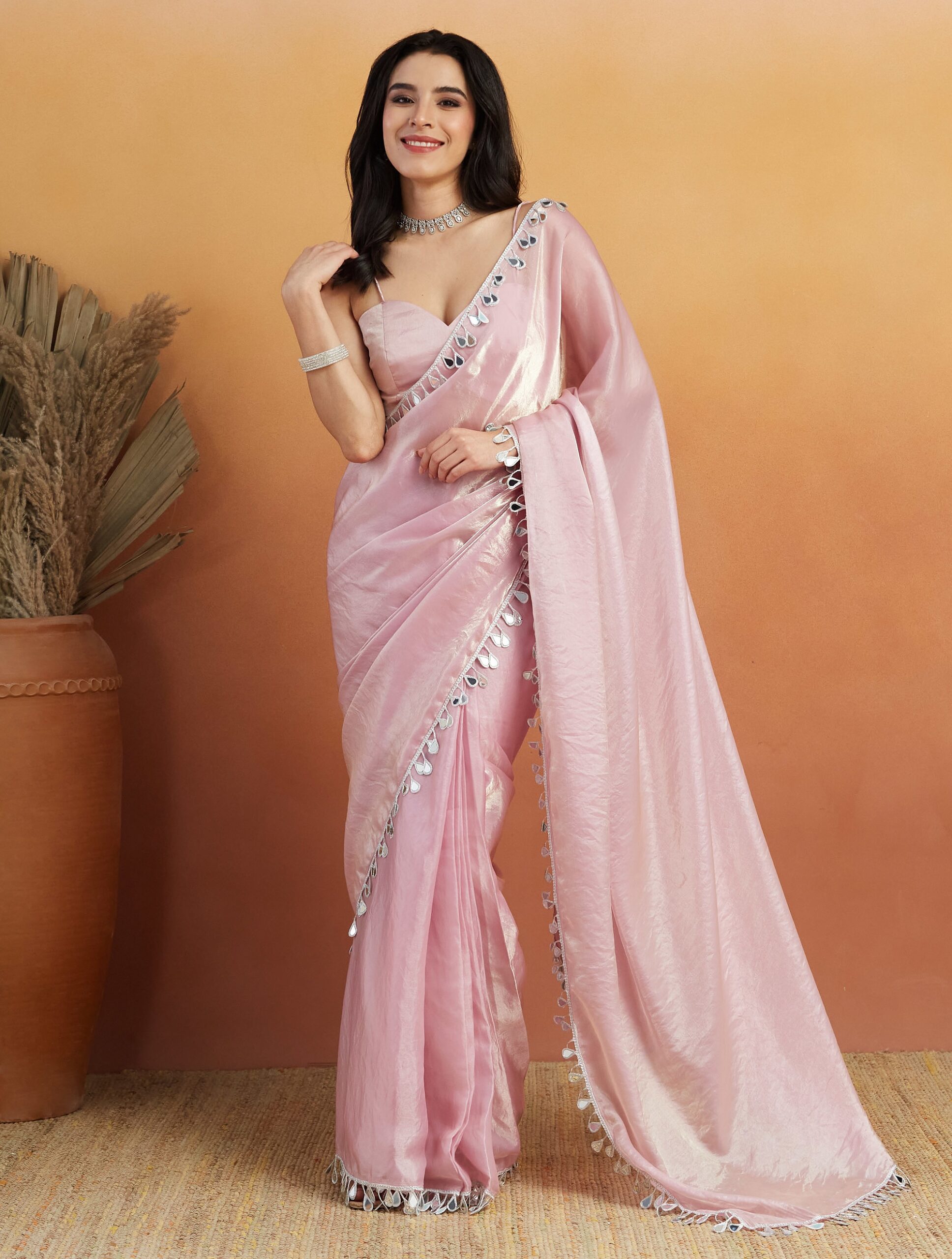
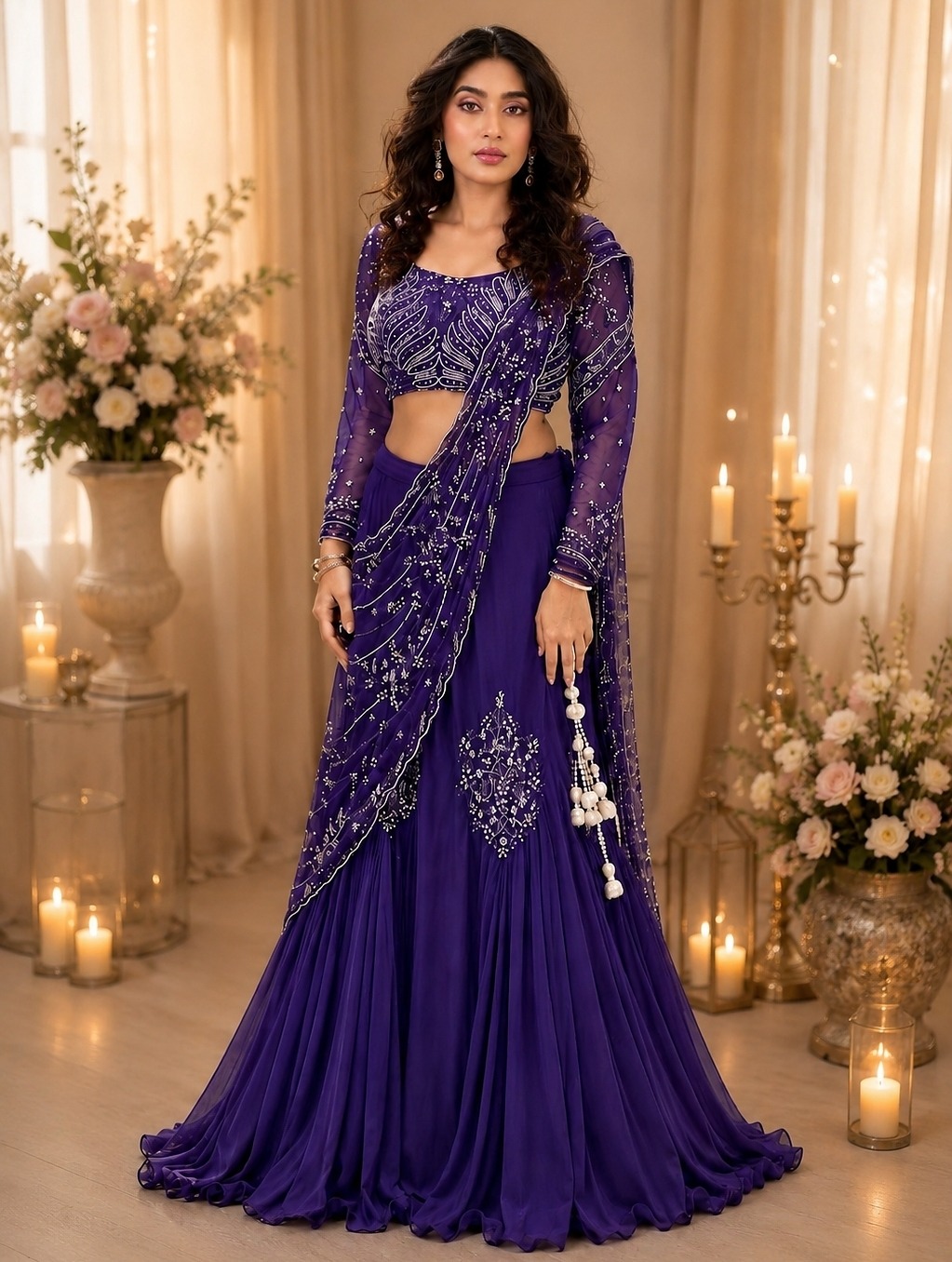
The convenience factor is likely the most significant of all the reasons. Not all people can go to the tailor and choose the fabrics, talk about the size, and wait for weeks for an outfit. Avoiding the hassle of designing from scratch is easier with ready-made styles.
For instance, a ready-to-wear saree eliminates a lot of the work involved in draping and pleating. Pre-stitched and pre-pleated versions can be worn with heels, jhumkas, or a small clutch, and you’re ready to go.
It’s the same with the ready-to-wear lehenga. People can buy a complete outfit rather than coordinating a skirt with a blouse and a dupatta.
Ethnic Fashion That Fits Busy Schedules
In today’s busy world, clothes should be capable of keeping up with the hectic lifestyle. It is here that pre-made dresses have taken their place. Simple ethnic wear can be used for a casual lunch, while something elaborate can easily slide into festive territory.
The increasing popularity of indian ethnic dresses also demonstrates the blending of traditional elements with modern fashion. Consider anarkali-style dresses with updated necklines, straight lines with eye-catching sleeves, or festive prints on comfortable fabrics.
A ready-to-wear kurta set is also a popular option for casual wear. It provides a harmonious appearance without overthinking which element goes with which. For the day, add flats; for an evening event, change to juttis or heels.
To Provide More Choices for Women
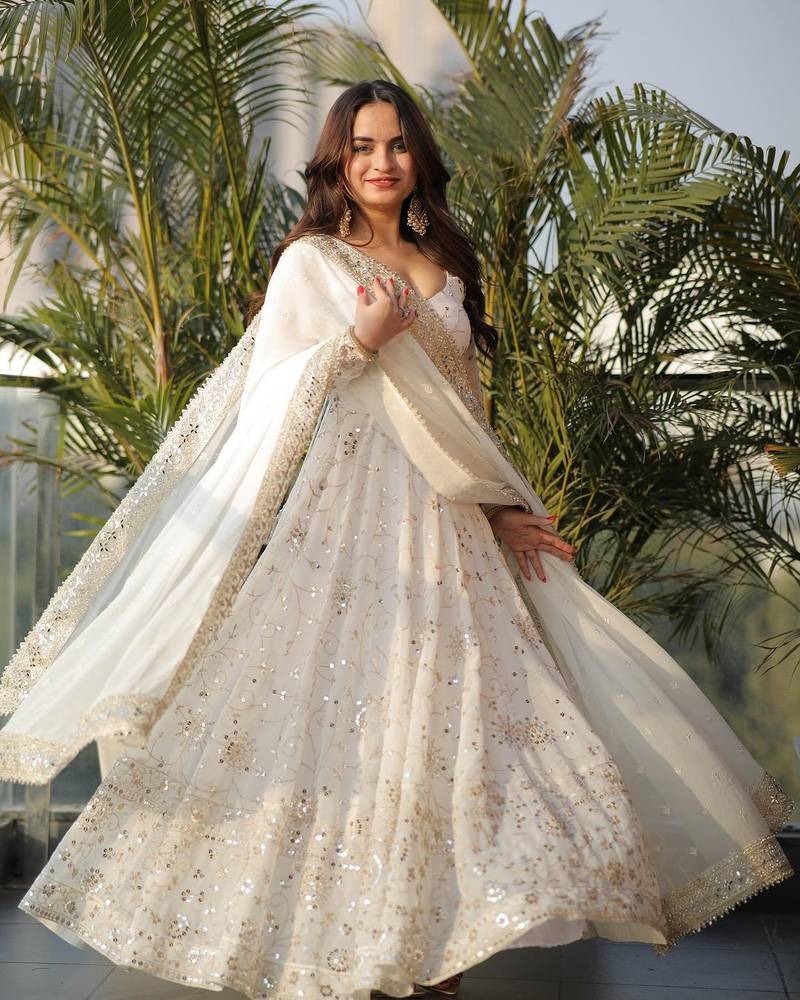
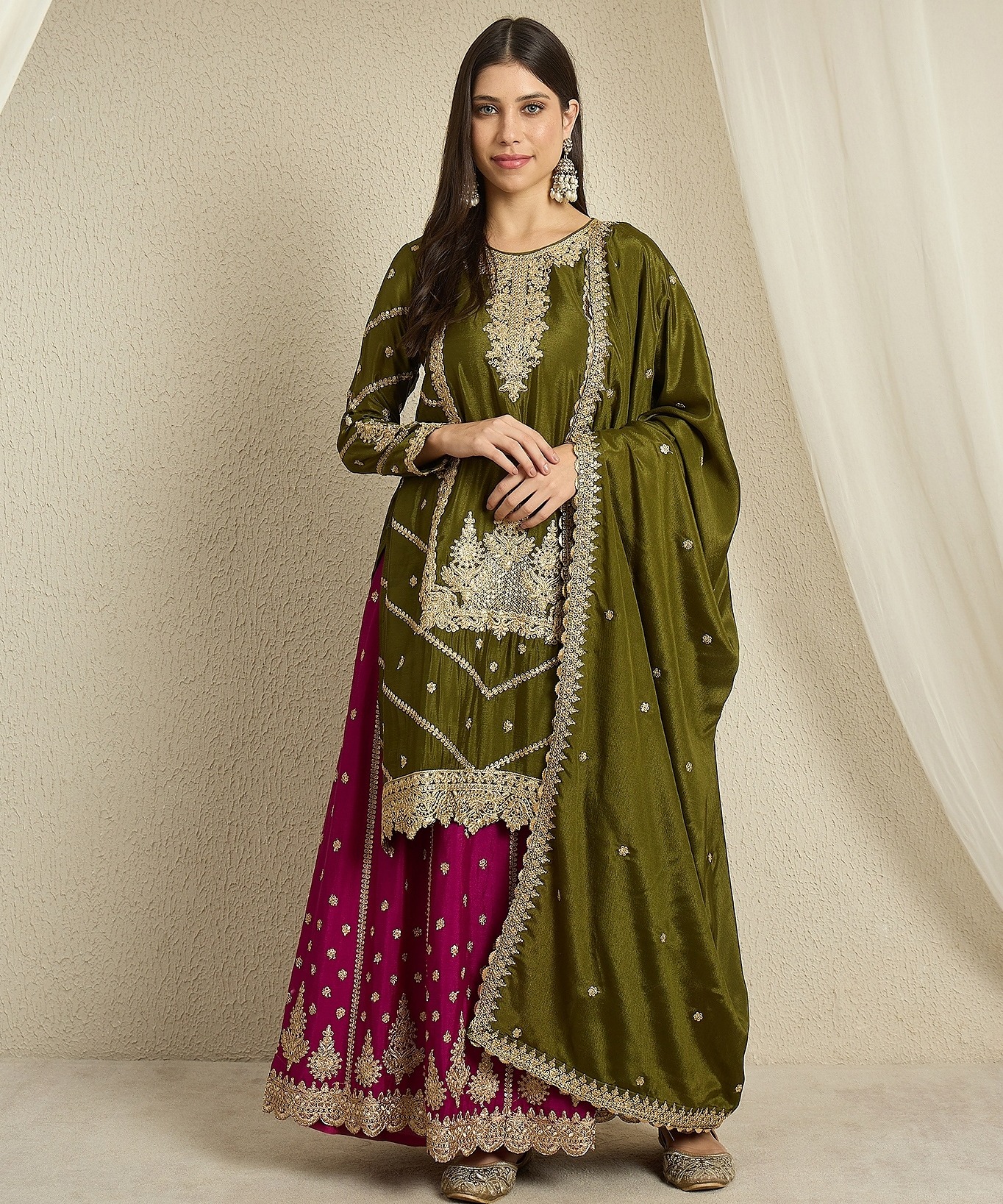
The most significant shift in the fashion industry is probably the vast range of fashion clothes that are available. Customers do not have to be limited to heavily embroidered pieces which are used just for festivals and weddings. Cotton sets, printed kurtas, lightweight dupattas, festive co-ords, and dressy separates are available for various occasions.
Women who enjoy having choices in their clothing can find ready-to-wear outfits for women that range from casual to glamorous for special occasions.
The simple ready-to-wear salwar suit has also been given a contemporary look. The traditional look of straight pants and cropped kurtas with lighter dupattas, contemporary prints, and interesting sleeve details has made the look much more current.
Men Are Shopping Differently Too
Ethnic fashion is not just for the ladies’ wardrobe. Men are also searching for outfits that are suitable for the occasion but not too complicated to style.
One example is a readymade sherwani. Men are more style-conscious these days and want something that looks polished, but is also comfortable enough to wear for extended periods of time during a wedding.
In addition to sherwanis, indian ready to wear dresses and matching ethnic clothes are also becoming more available in various categories. The emphasis is now on wearable designs, functional fabrics, and off-the-shelf fits.
Men are now able to buy ready to wear outfits for men, which consist of kurtas, waistcoat suits, festive shirts, bandhgalas, and wedding-ready outfits. This allows consumers to dress for the occasion without having to resort to the same traditional attire each time.
The Wedding Wear Shift
This category has been a significant contributor to the success of weddings. There are several functions that are spread over several days, and guests require several outfits, and not everyone wants to spend money on custom-made clothing for each function.
A ready-to-wear outfit for a wedding can resolve that issue in no time. A light kurta set can be used for a haldi, a sharara for a mehendi, and an embroidered outfit for the reception.
There has also been a shift in expectations due to social media. People want clothes that look good on camera, but they also want clothes that they can wear again. This has spurred brands to develop ethnic wear that is festive yet not so much associated with a particular occasion that it languishes in the closet.
What Comes Next?
The trend of ready-to-wear Indian ethnic wear is a reflection of the shift in the mindset of people towards traditional Indian attire. Embroidery, prints, quality fabrics, and traditional shapes are still popular, but now shoppers want those features to be offered in a more functional and comfortable package.
For brands, it’s about fit, fabric, sizing, easy styling, and designs that are more than just for one event. It’s more options and less planning for the shoppers.
Indian ethnic fashion is not losing its traditional charm. It’s just easier to wear, and that’s why ready-to-wear is such a big part of today’s ethnic wardrobe.