

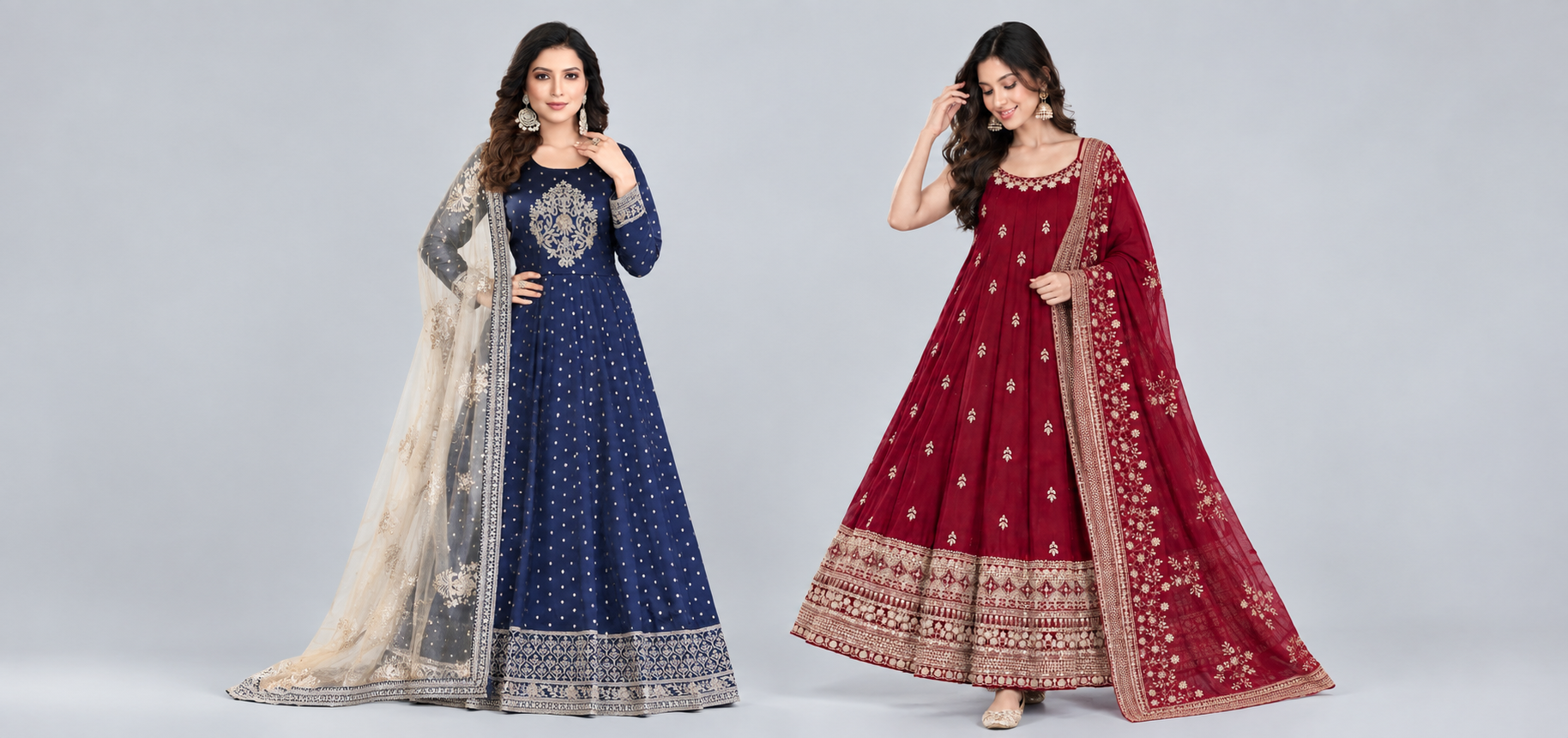
If you have ever searched for Indian ethnic wear, you might have wondered why some outfits are called salwar kameez while others are listed as salwar suits. The names make them sound like two different outfits, but that’s not really the case. In everyday shopping, both terms are often used for similar outfits. The main difference is how people describe them. Salwar kameez is the traditional name while salwar suit is commonly used for readymade sets with a kurta or kameez salwar and usually a dupatta. What really makes one outfit different from another is the style.
Two Names, One Classic Indian Outfit?
| Feature | Salwar Suit | Salwar Kameez |
| Meaning | Broad term for a traditional suit outfit | Specific combination of kameez and salwar |
| Main Pieces | Top + bottom + dupatta | Kameez + salwar + dupatta |
| Bottom Styles | Can include salwar, churidar, palazzo, Patiala, etc. | Traditionally paired with a salwar |
| Dift. Styles | Includes traditional, modern, and designer styles | Usually refers to the classic traditional style |
| Overall Look | More varied in design and silhouette | More traditional and classic |
| Similarity | Both are popular Indian ethnic outfits | Both can be worn for casual, festive, and special occasions |
The name salwar kameez describes the traditional outfit. The salwar is the bottom, while the kameez is the top. A dupatta is usually worn with outfits too. The phrase salwar suit became common because these pieces are often sold together as a complete set. When you search for a salwar suit for women, you can see a coordinated top, bottom, and dupatta. People also use different terms for the same attire. Someone looking for traditional Indian clothing might naturally say Indian salwar kameez, while someone shopping online might search for a salwar suit. Retail websites often use both terms to help people find the same clothes.
Meet the Three Essentials of a Salwar Kameez
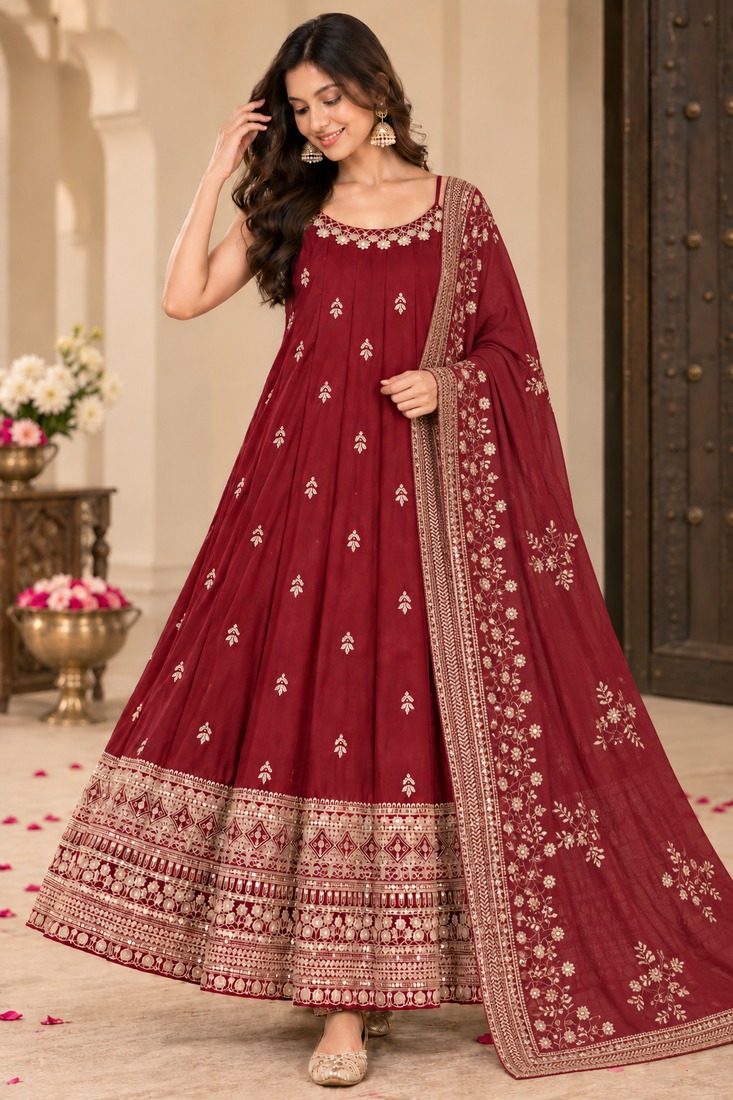
The easiest way to understand women’s salwar kameez is to look at three parts that make up the outfit.
Kameez or kurta
The kameez is the top part. Traditionally, it is no longer than a regular kurta, but modern designs come in different lengths and shapes. You can find straight kameez styles, flared designs, and heavily embroidered festive versions. The shape of the top has a big impact on how the complete outfit looks.
Salwar or bottom
The salwar is traditionally a loose-fitting bottom that gathers around the ankle. It is known for giving your outfit a relaxed shape. Today, however, you are not limited to the traditional salwar. Straight pants and cigarette pants or even palazzos are commonly paired with the kameez.
Dupatta
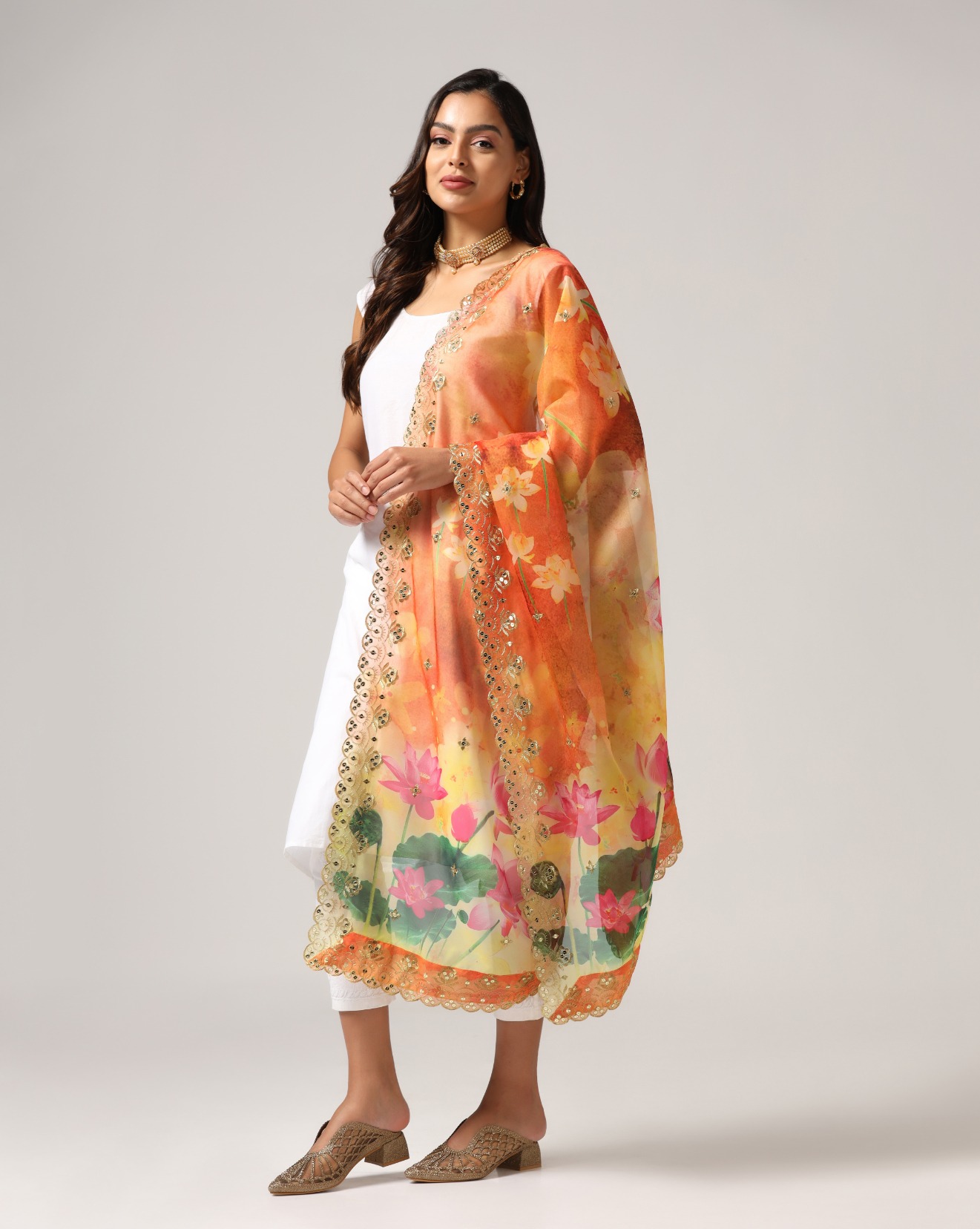
The 3rd piece is the dupatta. It can match the colour and fabric of the outfit or provide contrast.
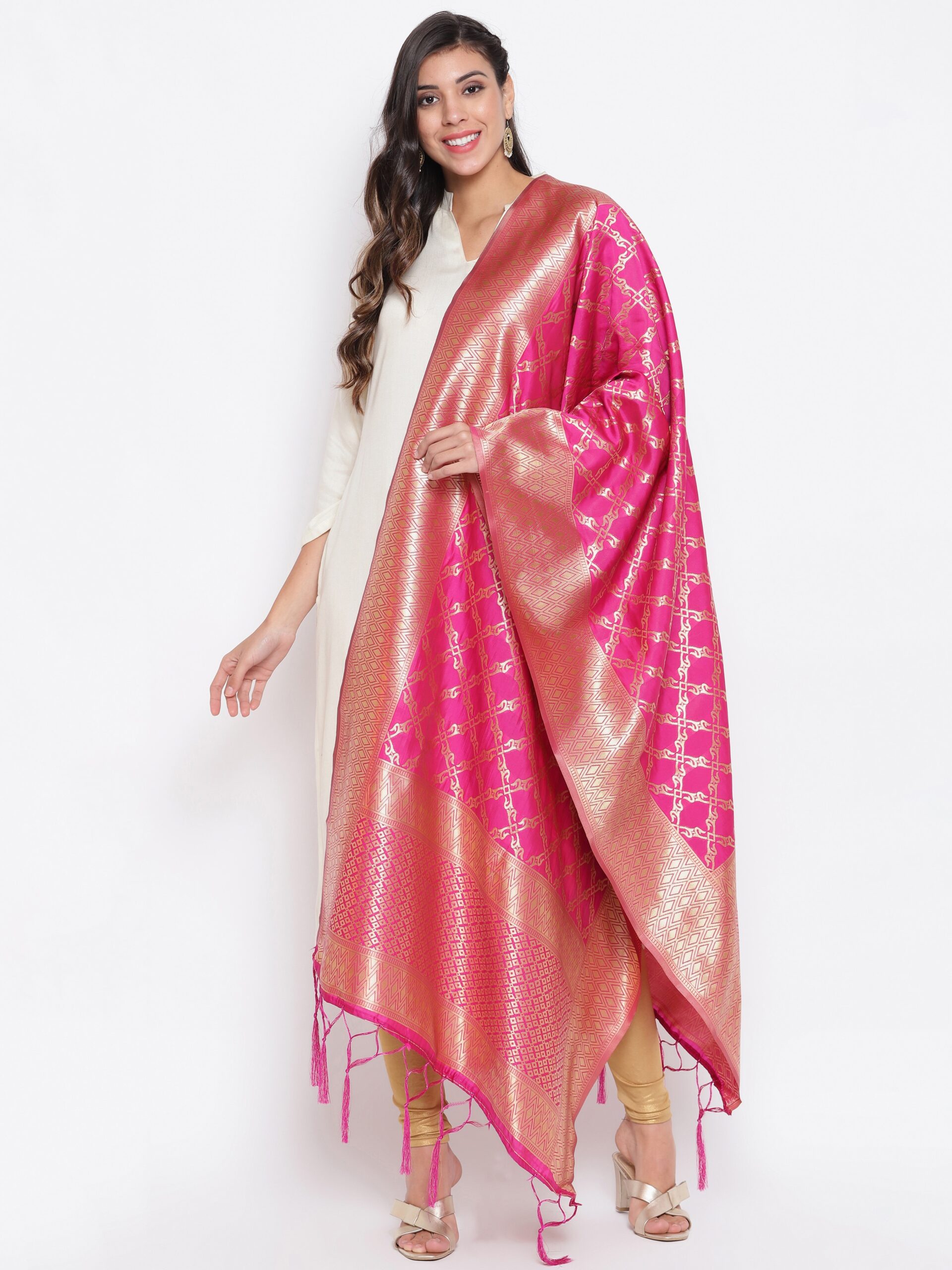
Salwar Suit for Women: More Than Just a Name
The phrase salwar suit is now often used for readymade and ethnic sets rather than one particular style. For example, you might find a cotton straight-cut kurta paired with matching pants and a printed dupatta. Another set could feature a heavily embroidered anarkali with narrow bottoms and a detailed dupatta. Both can be called salwar kameez suits even though the silhouettes are completely different. This is also why modern Indian salwar kameez is not limited to the loose salwar and long kameez traditionally associated with the outfit.
Indian Salwar Kameez Comes in Many Styles
Once you move past the names, the variety of styles becomes much easier.
Punjabi salwar kameez
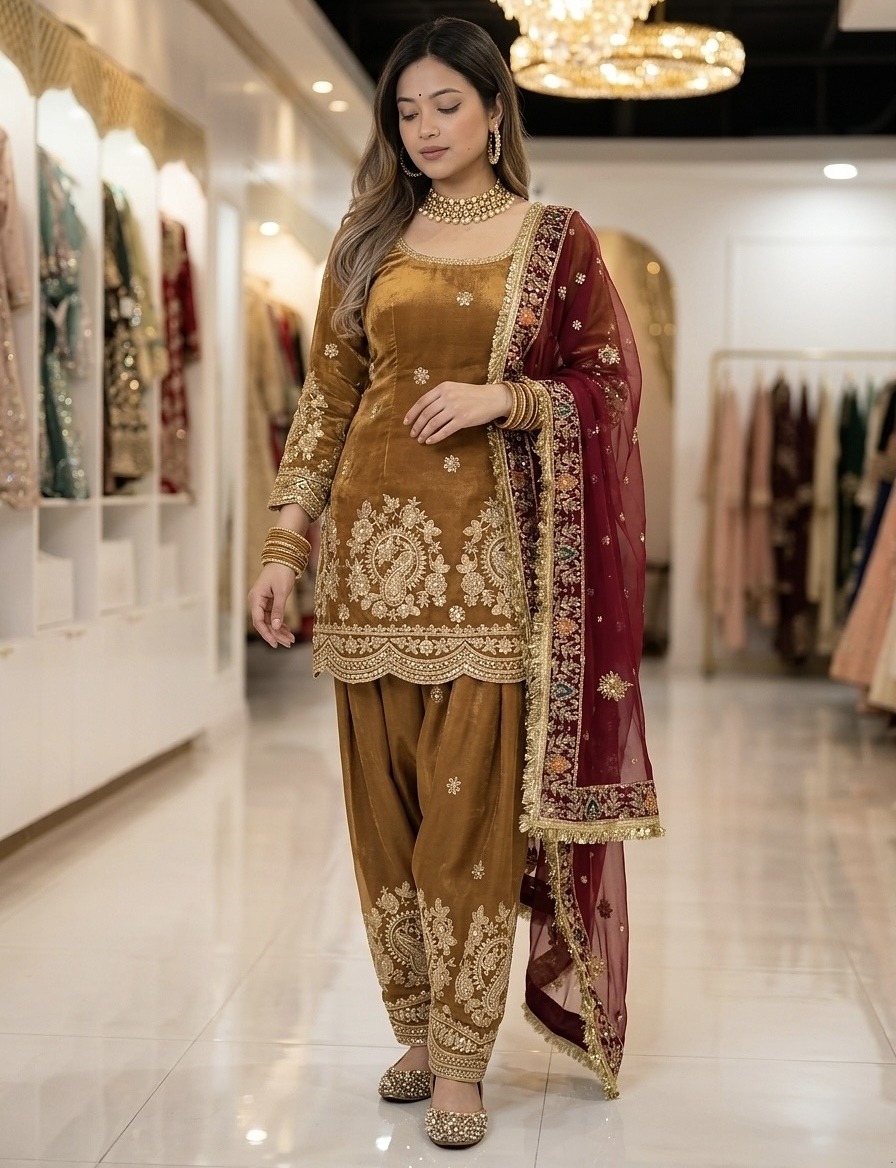
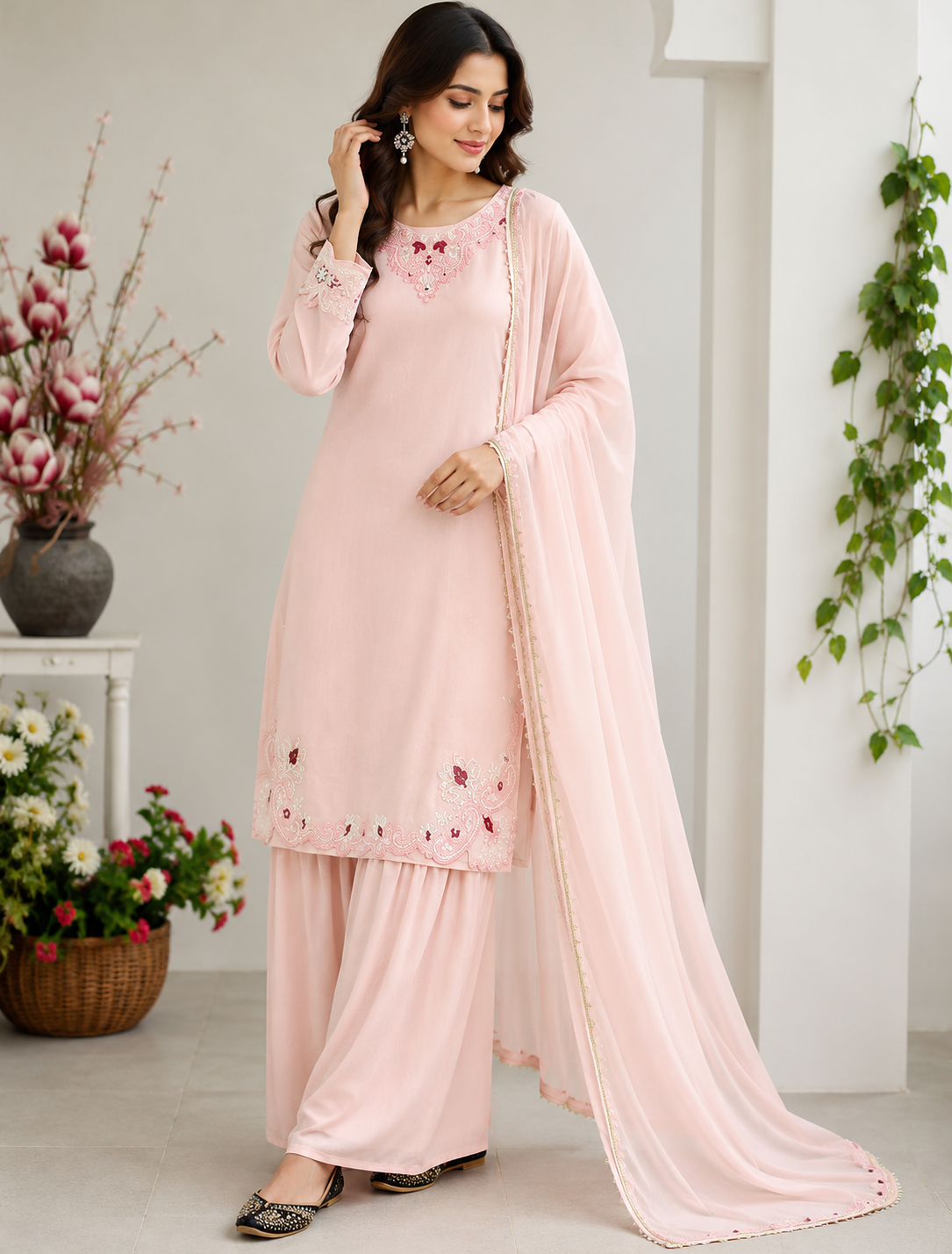
The Punjabi suit usually have a shorter or medium-length kameez with a fuller salwar. Bright colors, embroidery, and traditional prints are commonly seen in this style.
Straight cut suit
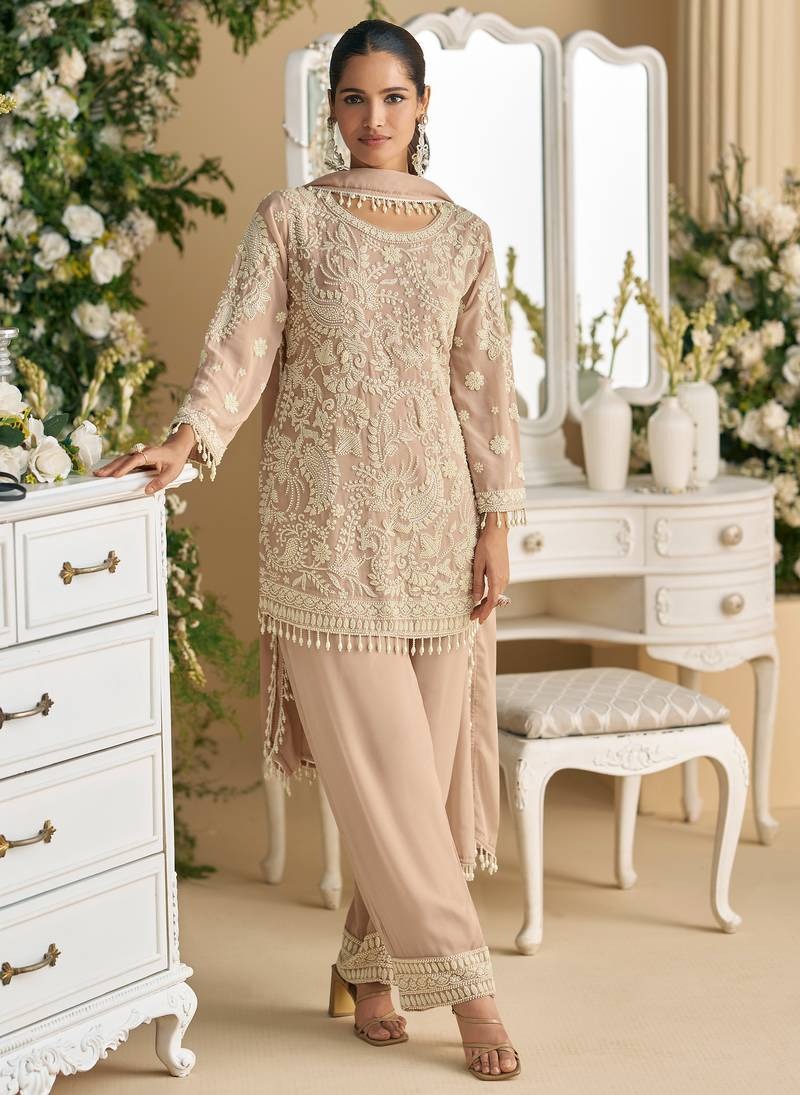
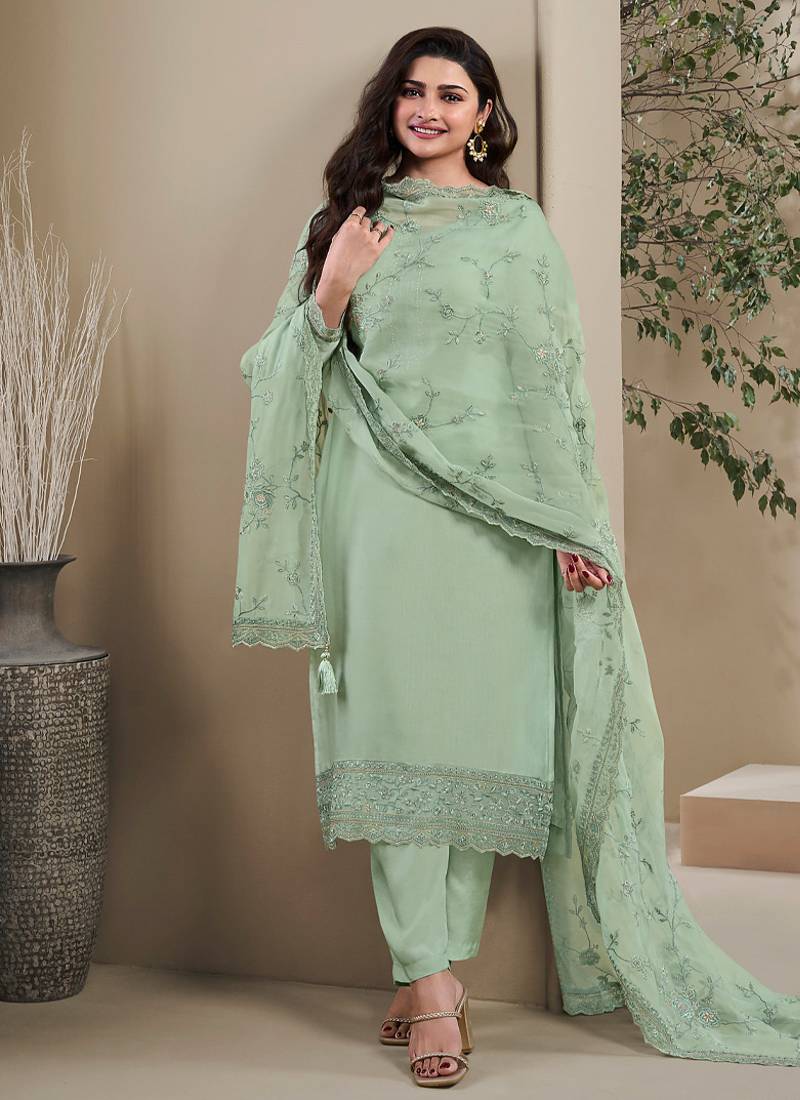
A straight cut has a kurta that falls in a relatively straight line from the shoulders. It is one of the easiest styles to wear for work, family gatherings, and everyday occasions. You can dress it up with jewelry and heels or keep it simple with flats.
Anarkali suit
_zoom.jpeg?1711793937)
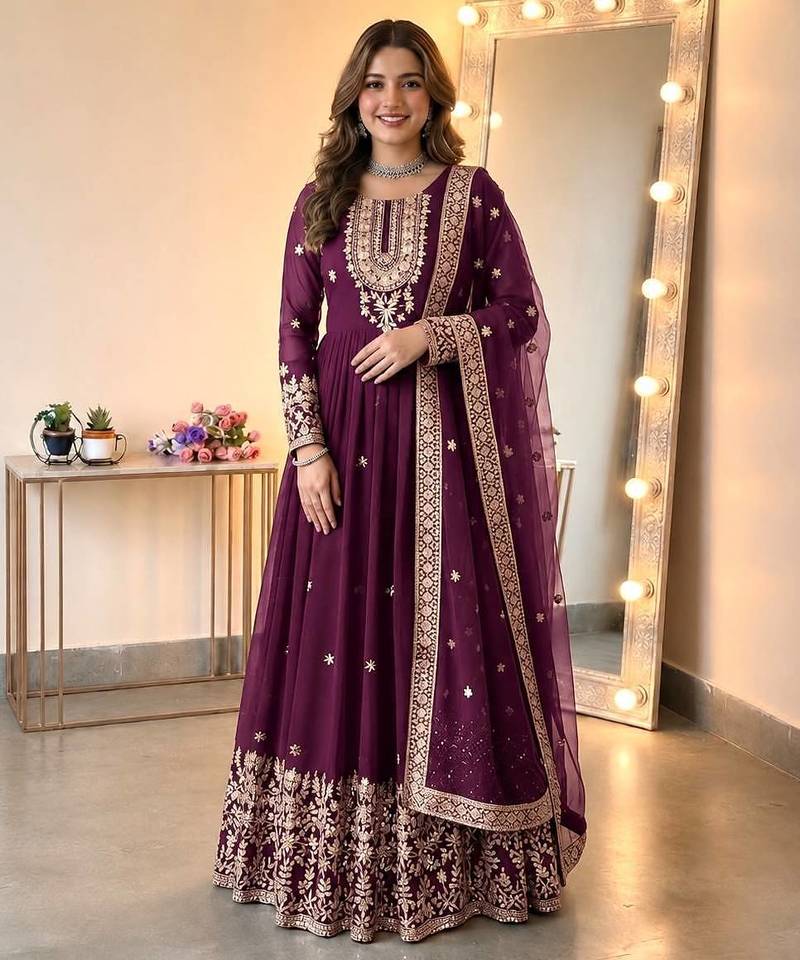
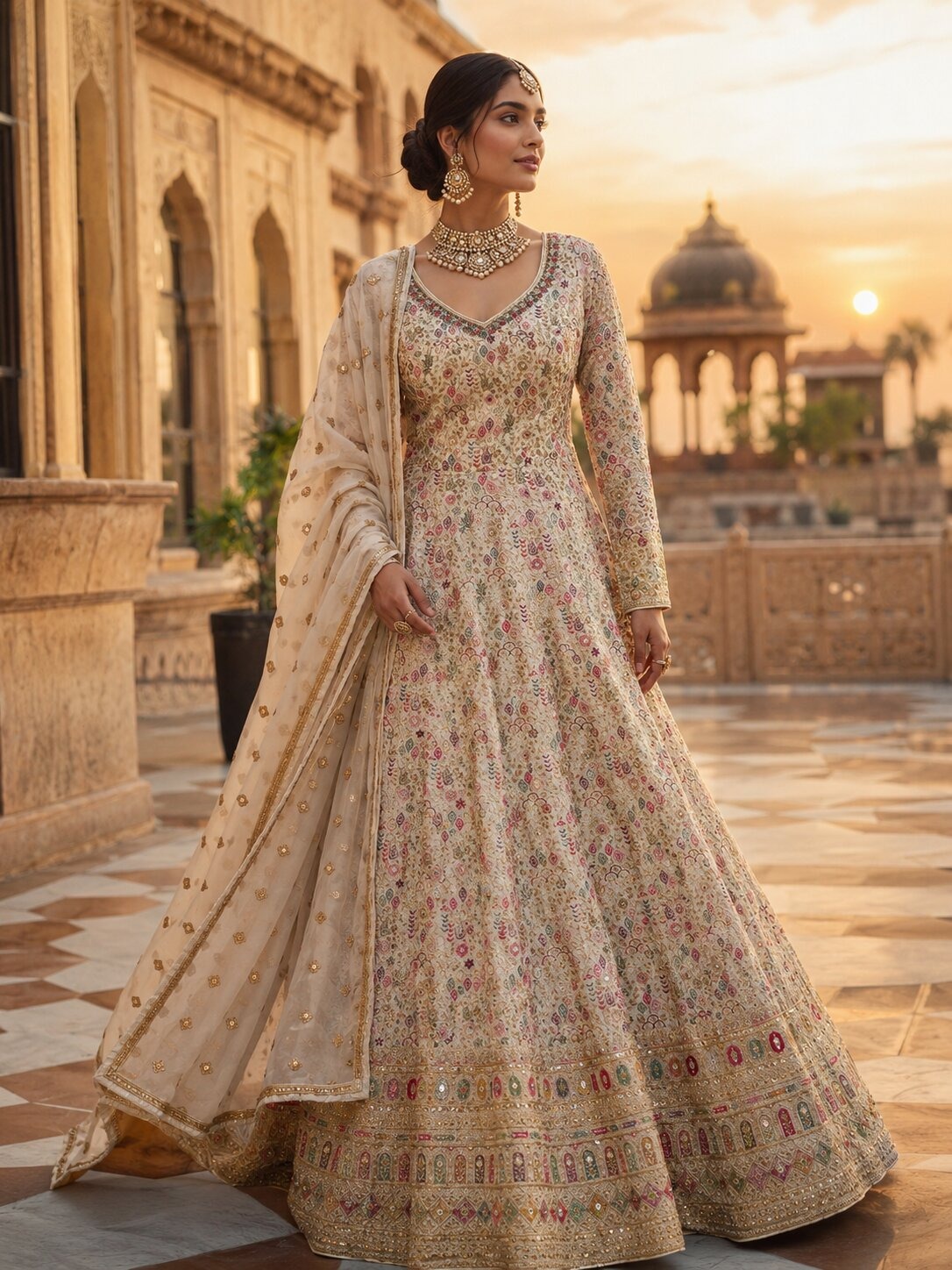
Anarkali changes the shape of the outfit completely. Instead of falling straight, the kurta flares out from the waist or upper body. Because of the fuller silhouette, anarkalis are often chosen for weddings or festive celebrations.
Patiala suit
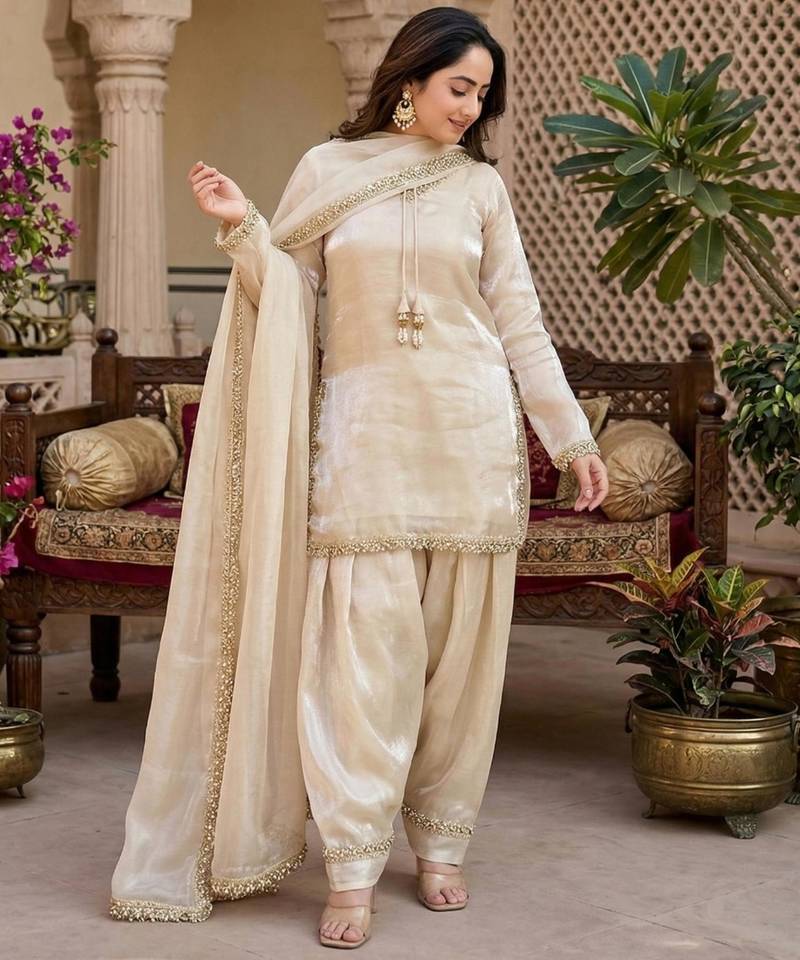
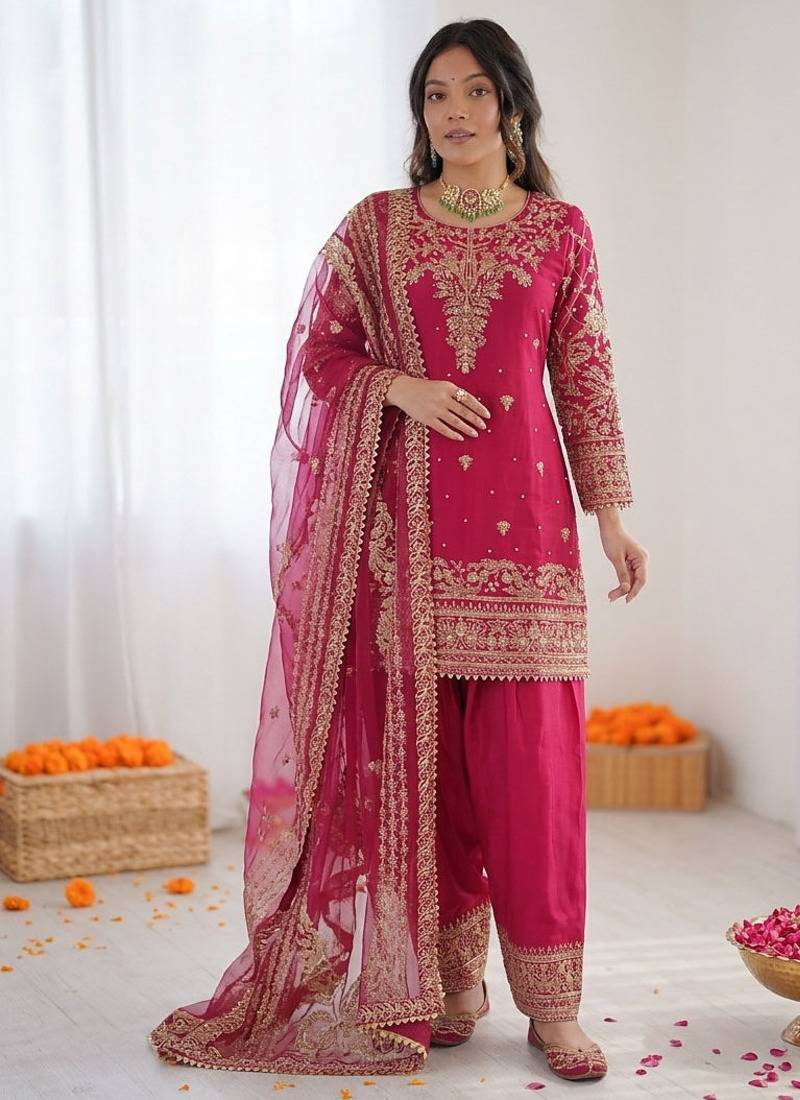
The patiala style is also known for its heavily pleated, voluminous bottom. It is usually paired with a shorter kurta, creating a unique proportion. If you like outfits with movement and a more traditional Punjabi influence, this style is worth considering.
Palazzo suits
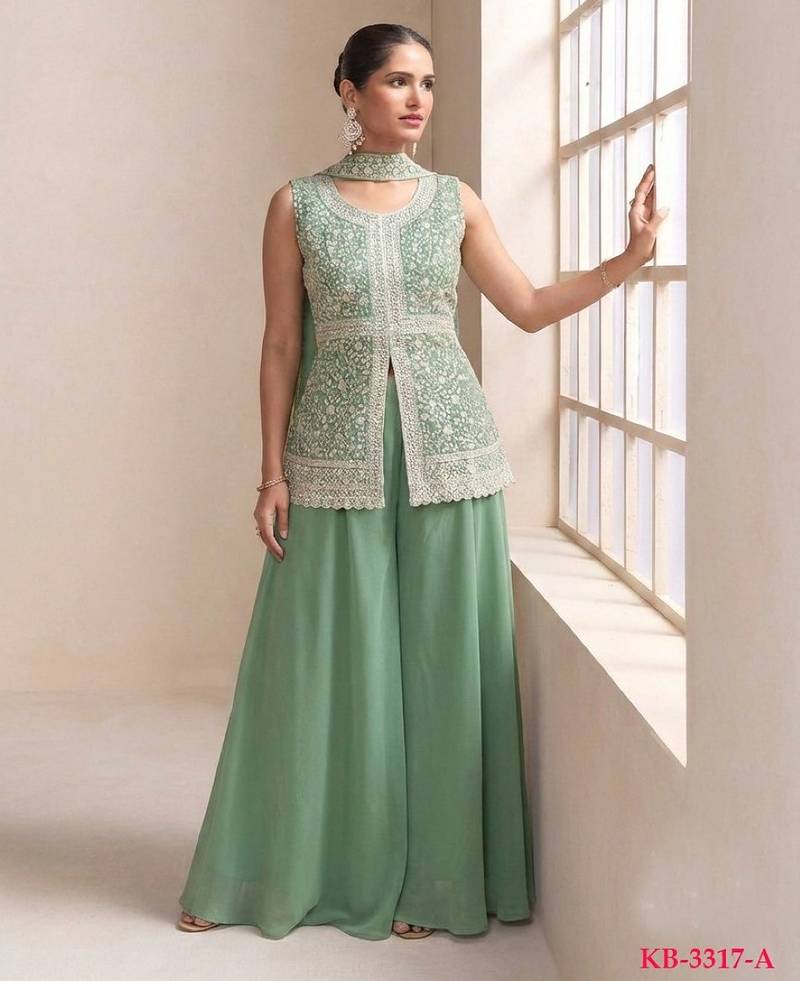
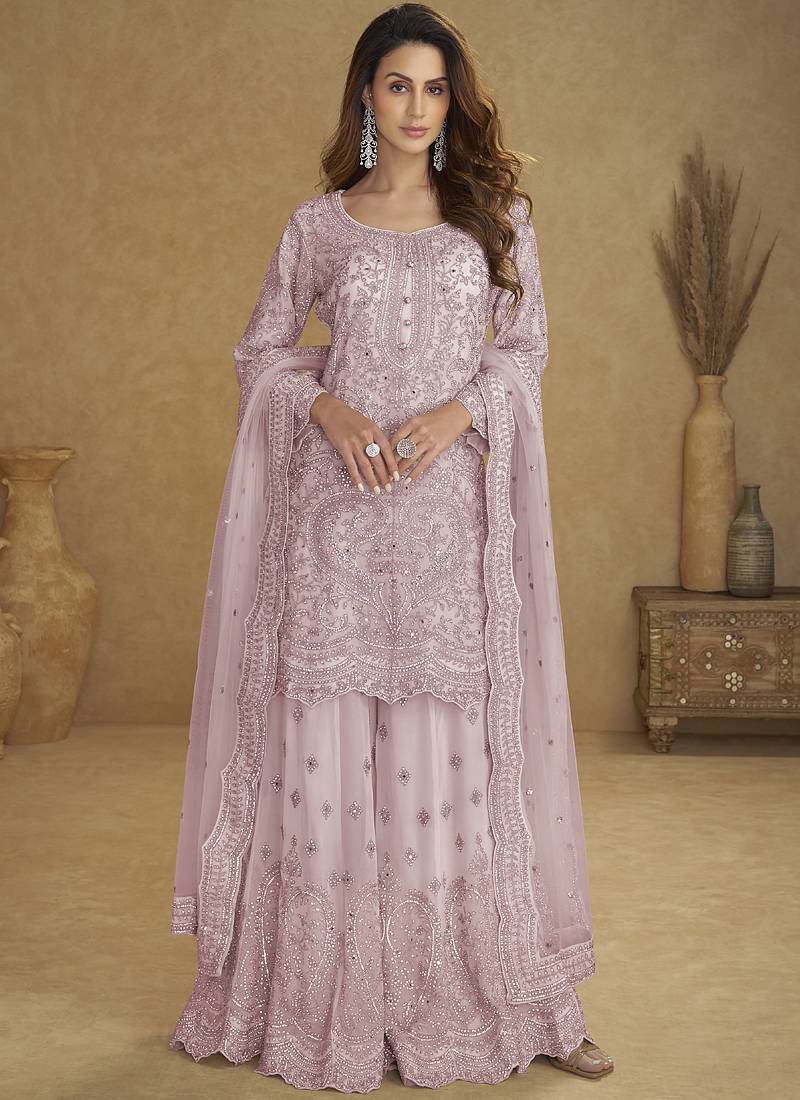
Palazzo style suits replace the traditional salwar with wide-leg trousers. They give your outfit a more relaxed contemporary shape while retaining the familiar kurta and dupatta combination. This is useful when you want ethnic clothing that does not feel too traditional.
Key Takeaways
So salwar kameez is the traditional term, while salwar suit is commonly used in everyday conversation and online shopping. The real difference comes from the design you choose, whether there is a Punjabi-style straight cut or a palazzo set. So the next time you are shopping for salwar kameez for women, don’t worry too much about which name appears on the listing. Look at the cut, fabric, bottom, and the detailing. Those are the details that will tell you whether the outfit is right for the occasion and personal style