

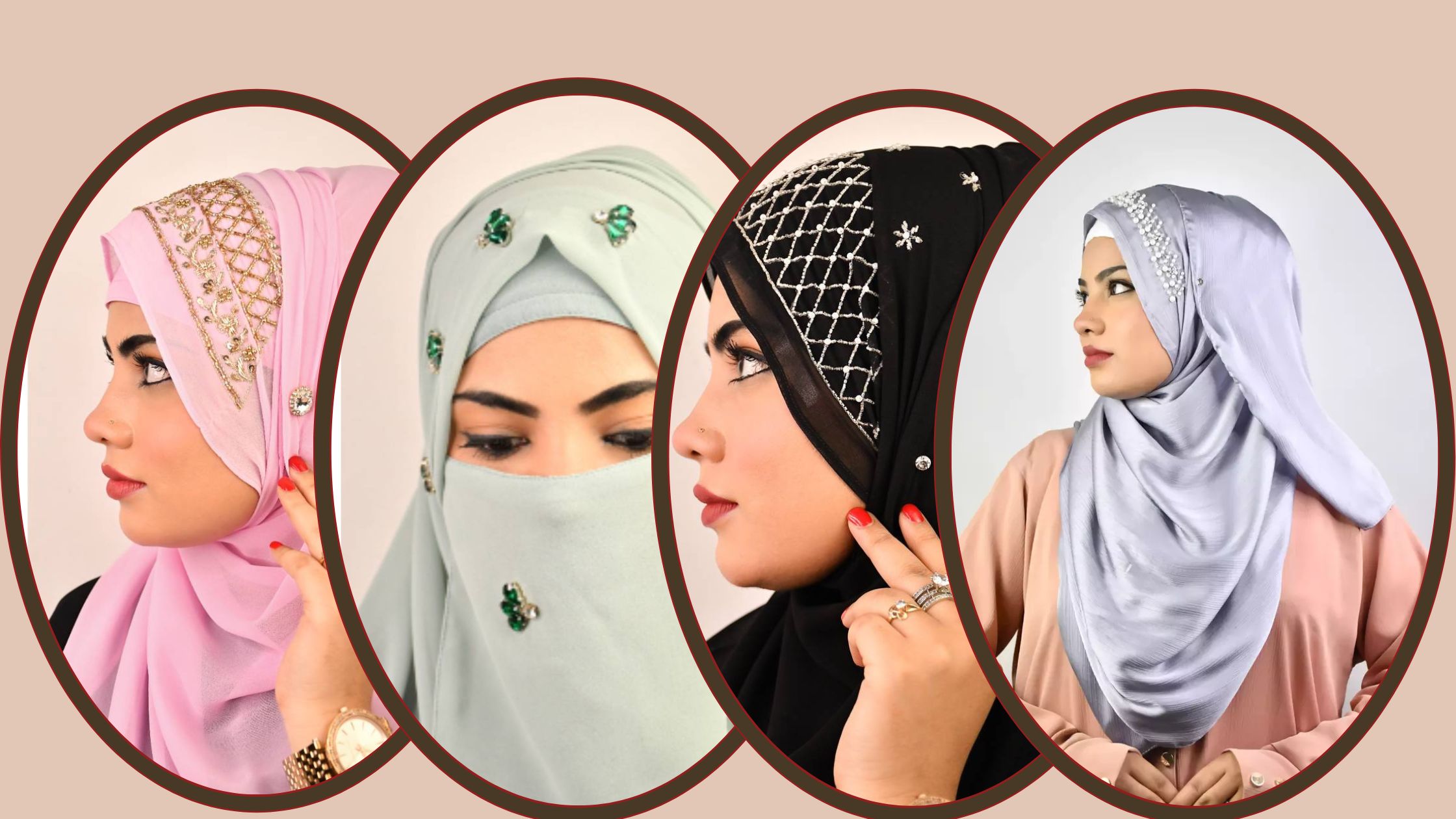
Choosing the right hijab colors can make everyday dressing much easier. The color of your hijab does more than complete an outfit; it can change the overall appearance, highlight facial features, and create a balanced look. Whether you prefer simple everyday wear or follow current hijab fashion trends, having the right colors in your wardrobe helps you style outfits with confidence.
Many women own several scarves but still struggle to decide which one matches best. Learning a few color combinations and understanding your personal style can help you build a collection that works for almost every occasion.
Popular Hijab Colors
Some colors are easier to match and can be worn with different outfits throughout the year. These shades work well for casual wear, office looks, festive clothing, and traditional outfits.
Black Hijab – A Classic Choice for Every Outfit
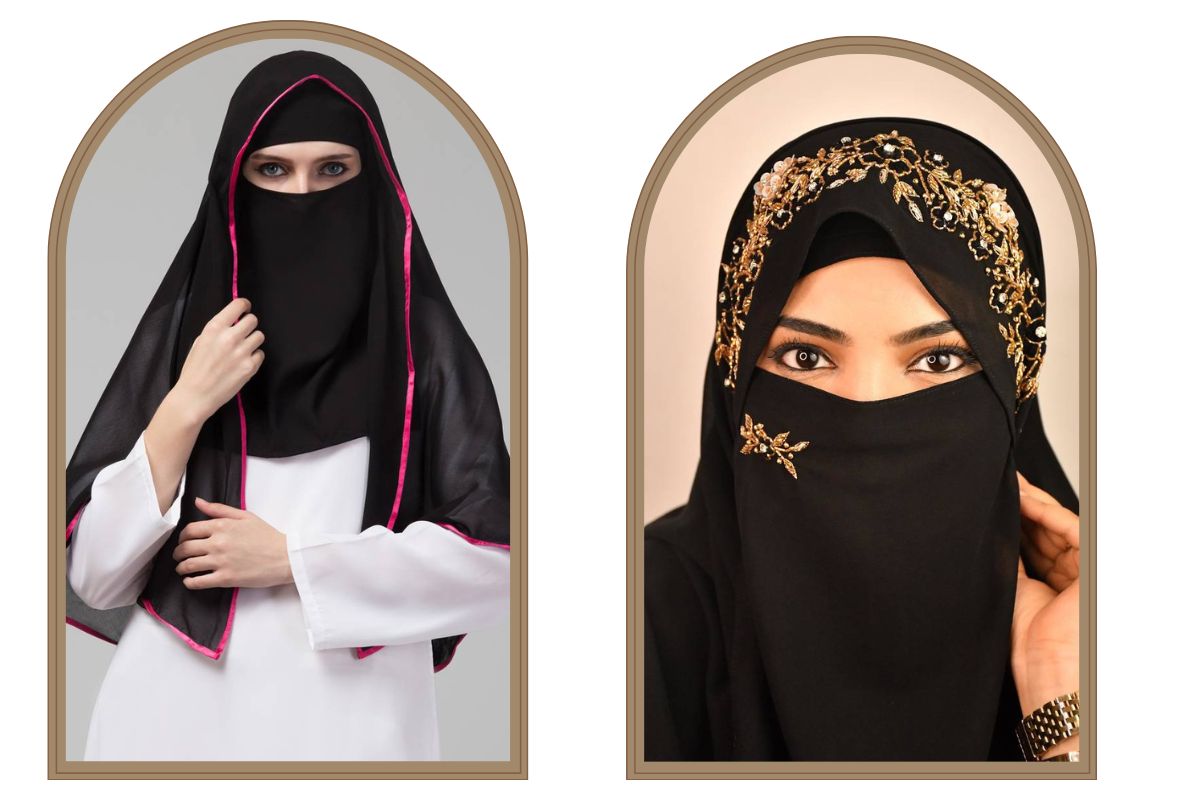
A black hijab is one of the most versatile options to own. It pairs well with almost everything, from printed dresses to neutral abayas and western wear.
You can wear a black hijab with:
- White outfits
- Floral prints
- Beige or cream dresses
- Formal office clothing
- Bright colored tops
This shade remains popular because it gives a neat and timeless appearance.
White Hijab – Simple and Fresh Styling
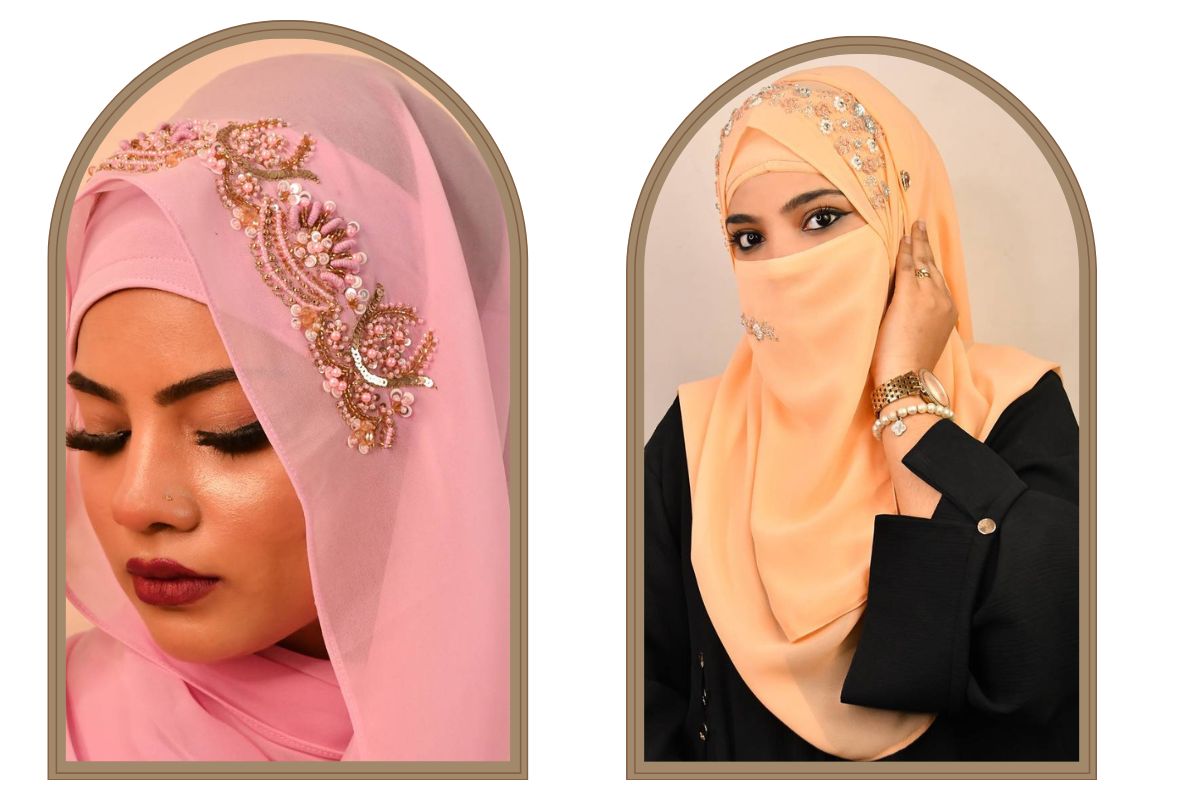
A white hijab creates a clean and elegant look. It is often preferred during warmer seasons because lighter shades feel fresh and soft.
A white hijab matches well with:
- Light blue outfits
- Pastel dresses
- Grey clothing
- Neutral tones
Women who prefer minimal styling often include white in their everyday wardrobe.
Brown Hijab – A Soft Neutral Option
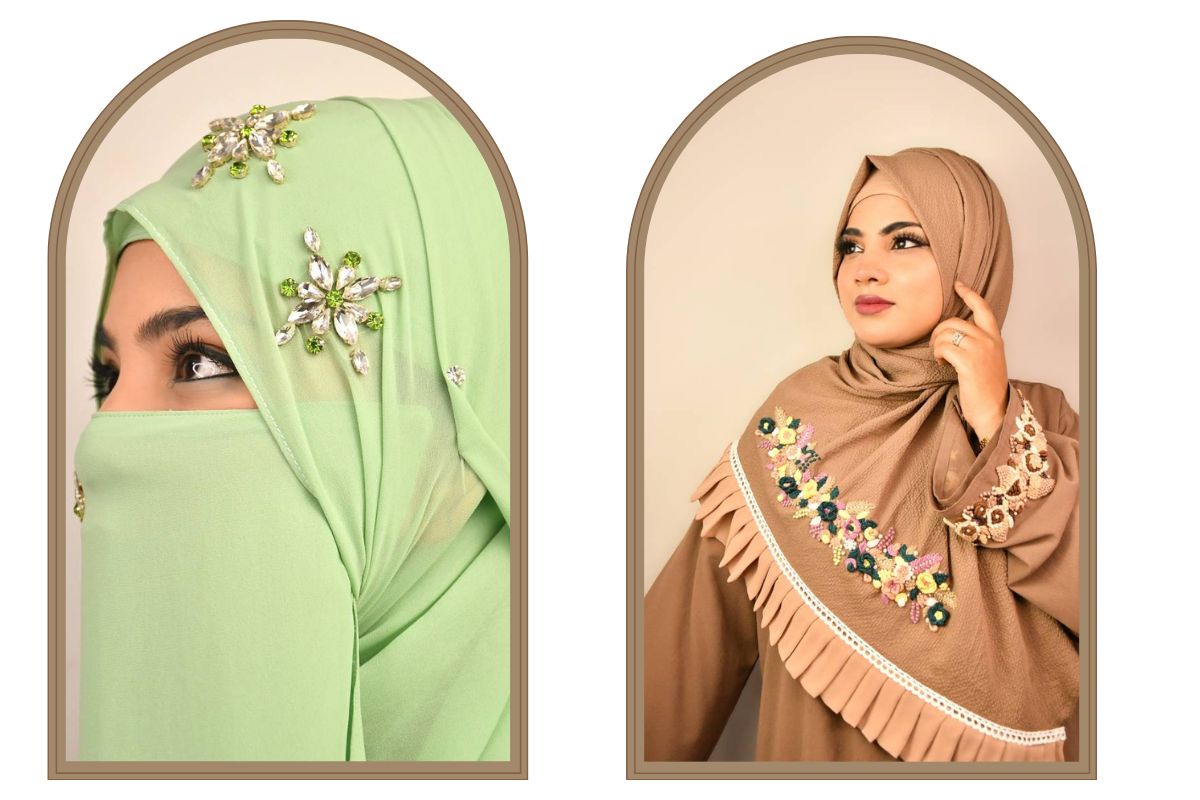
A brown hijab works beautifully with earthy shades and muted colors. Brown gives warmth to outfits without looking too bold.
It pairs well with:
- Olive green dresses
- Cream shades
- Beige outfits
- Black clothing
This color is useful for people who like subtle styling.
Blue Hijab – Elegant for Daily Wear
A blue hijab offers a calm and sophisticated appearance. Dark blue shades often suit formal settings, while lighter tones work for casual outfits.
A blue hijab can be styled with:
- White tops
- Grey dresses
- Neutral clothing
- Black trousers and blazers
Blue is a practical choice if you want variety beyond neutral shades.
Pink Hijab – Soft and Feminine Look
A pink hijab adds softness to an outfit. Light pink shades work especially well with neutral colors and floral prints.
Try wearing a pink hijab with:
- White clothing
- Cream abayas
- Light brown outfits
- Printed dresses
Pink shades create a gentle and youthful appearance.
Purple Hijab – Add Color to Simple Outfits
A purple hijab can become the highlight of an outfit. Dark purple tones often look elegant with black or cream clothing.
You may style purple with:
- Neutral dresses
- White tops
- Black abayas
- Beige clothing
Purple works well when you want to add richness without choosing very bright colors.
How to Style a Hijab
Knowing how to style a hijab is not only about trying different wrapping methods. The color, fabric, and overall outfit combination matter just as much. A well-matched hijab can make even a simple outfit look more polished and put together.
- Wearing the same shade from head to toe can sometimes look flat. Try pairing similar tones or complementary colors to create a balanced appearance. For example, a beige outfit can look elegant with a brown or soft pink hijab.
- If your dress or top has floral patterns, stripes, or bold prints, a solid-colored hijab scarf helps keep the overall look neat. Choosing one color from the print often creates an effortless combination.
- Add colored hijabs to simple outfits. Plain clothing in black, white, or neutral shades gives you the freedom to wear a blue hijab, pink hijab, or purple hijab to add personality without making the outfit look overwhelming.
- Shades like black, white, and brown are practical because they work with most outfits. Having a few neutral hijabs makes daily styling easier, especially for work, college, or casual outings.
- Soft shades and lighter colors often suit daytime events, while deeper tones can feel more appropriate for formal gatherings or evening occasions.
- A cotton hijab may look relaxed and suitable for daily use, while chiffon creates a more elegant appearance. The fabric affects how the hijab falls and can change the overall style of an outfit.
Conclusion
Selecting suitable hijab colors becomes easier when you focus on versatility and practical styling. Neutral shades like black, white, and brown work with almost everything, while colors such as blue, pink, and purple add variety to everyday outfits. Fashion choices are personal, and there is no single rule for everyone. Experimenting with different shades helps you discover what suits your style best. The right color combination can make your outfit look balanced while helping you feel comfortable and confident every day.