

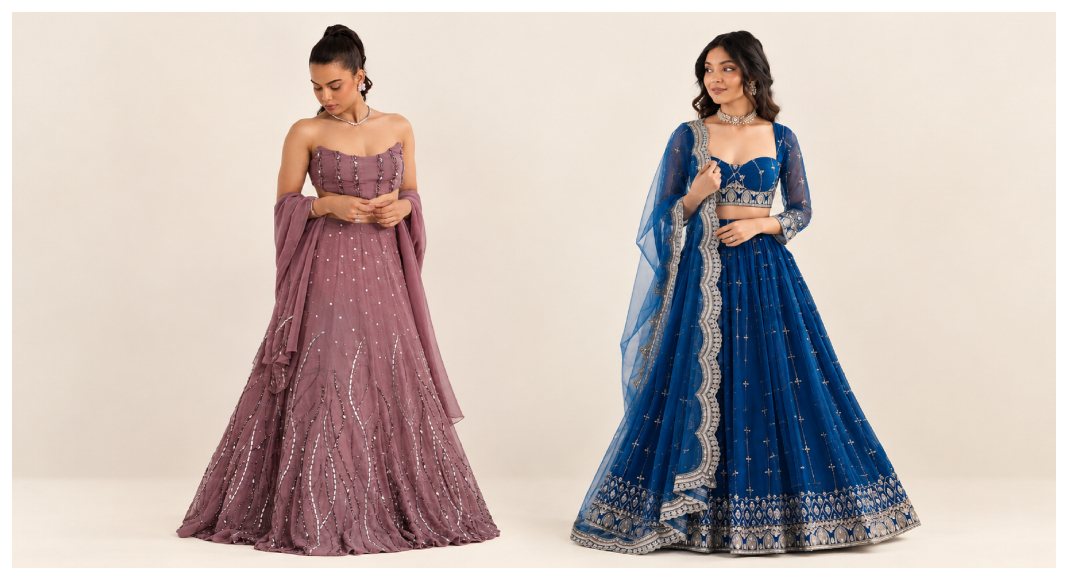
When planning an Indian wedding from abroad, there are many options to consider and one of the most important is your bridal outfit. You want something that looks beautiful, feels comfortable and also fits in with your wedding plans, from the venue and the weather to travel and styling. Not just traditional designs, modern brides are also trying new silhouettes as bridal fashion evolves.
The traditional lehenga choli remains a charming choice for Indian brides, with modern silhouettes being added into the mix. One such example is the corset lehenga choli which has become extremely popular for the sharp definition it adds to the overall body. In this blog we will compare the traditional lehenga choli and corset lehenga.
Corset Lehenga Vs Lehenga Choli

Silhouette and Fit
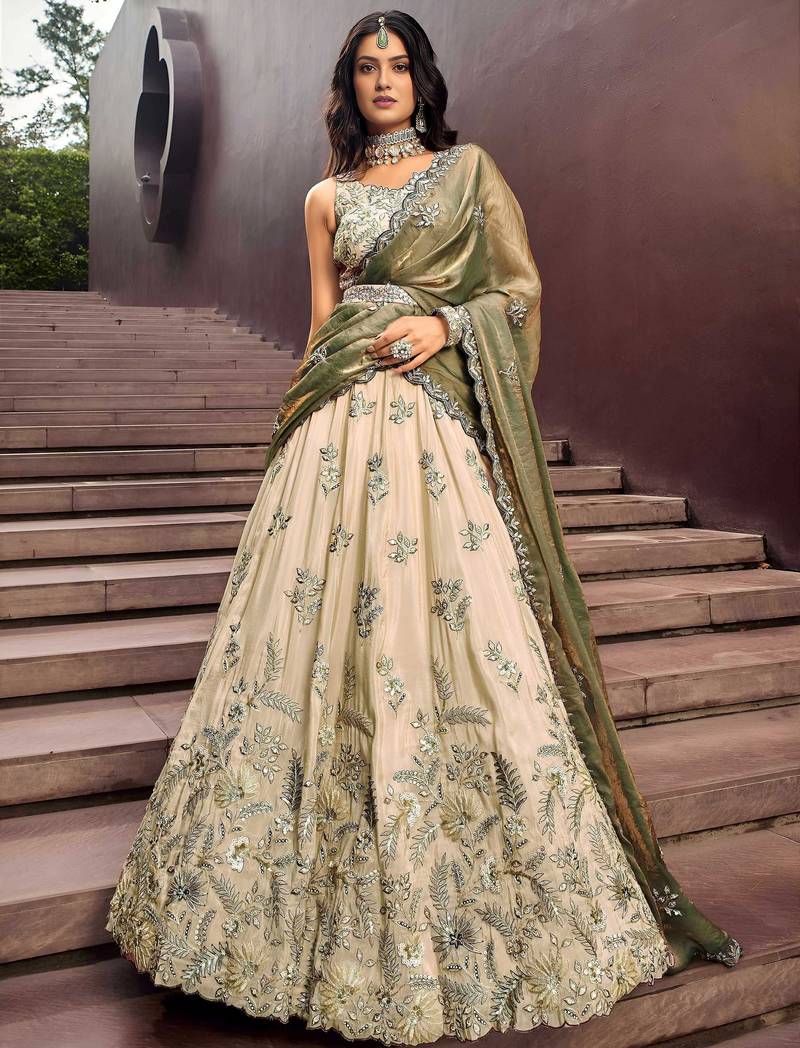
A corset lehenga has a fitted bodice that gives the waist a defined shape. It uses structured panels and support to create a close fit around the upper body. A traditional lehenga choli has a separate blouse with a more familiar Indian fit. A corset blouse for lehenga gives a more shaped and modern look, while a regular choli offers more room for simple alterations. The corset style suits brides who prefer a fitted silhouette, while the choli keeps the classic bridal shape.
Colors and the Bridal Look
The color of the outfit plays an important role in the final bridal look. A corset with lehenga often comes in shades such as ivory, champagne, blush pink, lavender, and pastel blue. Traditional lehengas use colors such as red, maroon, pink, and green more often. A red lehenga works well with both styles. A corset gives a red outfit a modern finish, while traditional embroidery on a choli creates a more classic bridal appearance.
Fabrics and Structure
Fabric affects both the fit and fall of the outfit. A corset lehenga set works well with silk, satin, velvet, and brocade because these fabrics support the structured bodice. Traditional lehenga choli designs also use silk, georgette, net, brocade, and velvet. Heavier fabrics suit detailed bridal embroidery, while lighter fabrics create more movement in the skirt.
Embroidery and Embellishments
A corset top lehenga usually keeps more attention on the bodice, neckline, and waist. Sequins, beads, crystals, and threadwork add detail without covering the fitted shape. Traditional lehenga choli designs often carry heavier embroidery across both the blouse and skirt. Zari, zardozi, gota patti and mirror work give the outfit a rich Indian bridal look. Brides who want detailed traditional work often prefer a classic choli, while lighter embroidery suits a structured corset design and keeps its modern shape visible.
Comfort and Ease of Movement
The design of the blouse affects comfort during long wedding functions. Corset blouse and lehenga designs fit closely around the waist and upper body. Hence, any slight glitch in the measurement can lead to discomfort during the functions. The traditional choli wins here as it often comes with hooks and seams that are more adjustable, and it does not restrict movement. This is also one good reason that the latter is a preferred choice during events with long rituals or dancing, etc.
Dupatta Styling
The dupatta also changes the overall appearance of the outfit. A corset style lehenga usually keeps the neckline visible, so brides often place the dupatta over one shoulder or on one side. A lightweight organza dupatta works well because it does not cover the fitted bodice completely. A traditional lehenga choli allows more familiar draping styles, including a head dupatta or two dupattas.
Jewelry and Accessories
The neckline of the blouse has a profound impact on the kind of jewelry that is chosen. For example, a choker, layered necklace, and even statement earrings sit perfectly on the sweetheart, square, or strapless neckline of a corset. In fact, the simple corset bodice gives more space to accommodate large jewelry pieces. However, traditional lehengas have no such neckline issue. Therefore, any jewelry option is best as long as it goes well with the design and color of the dress.
Wedding Function and Venue
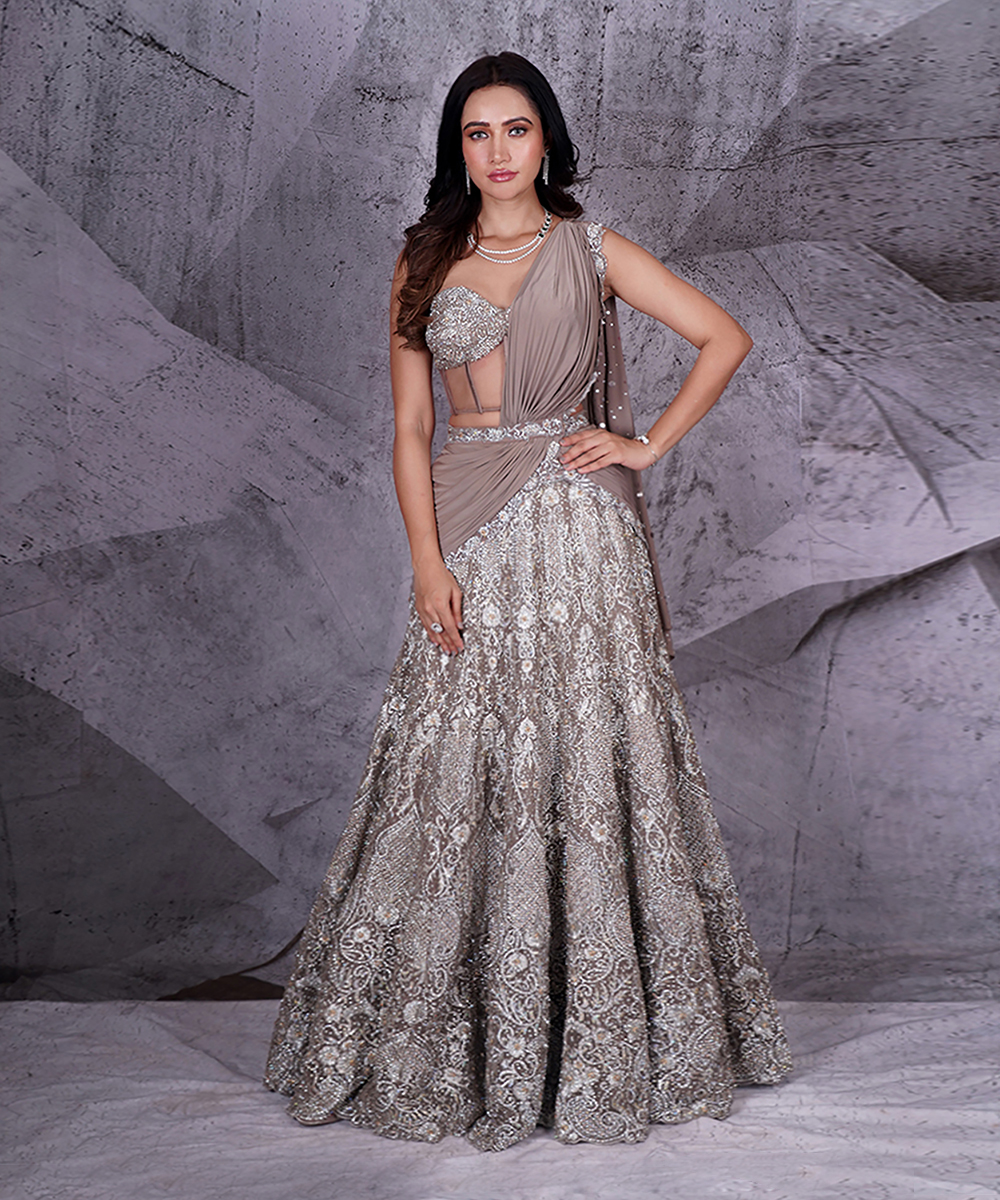
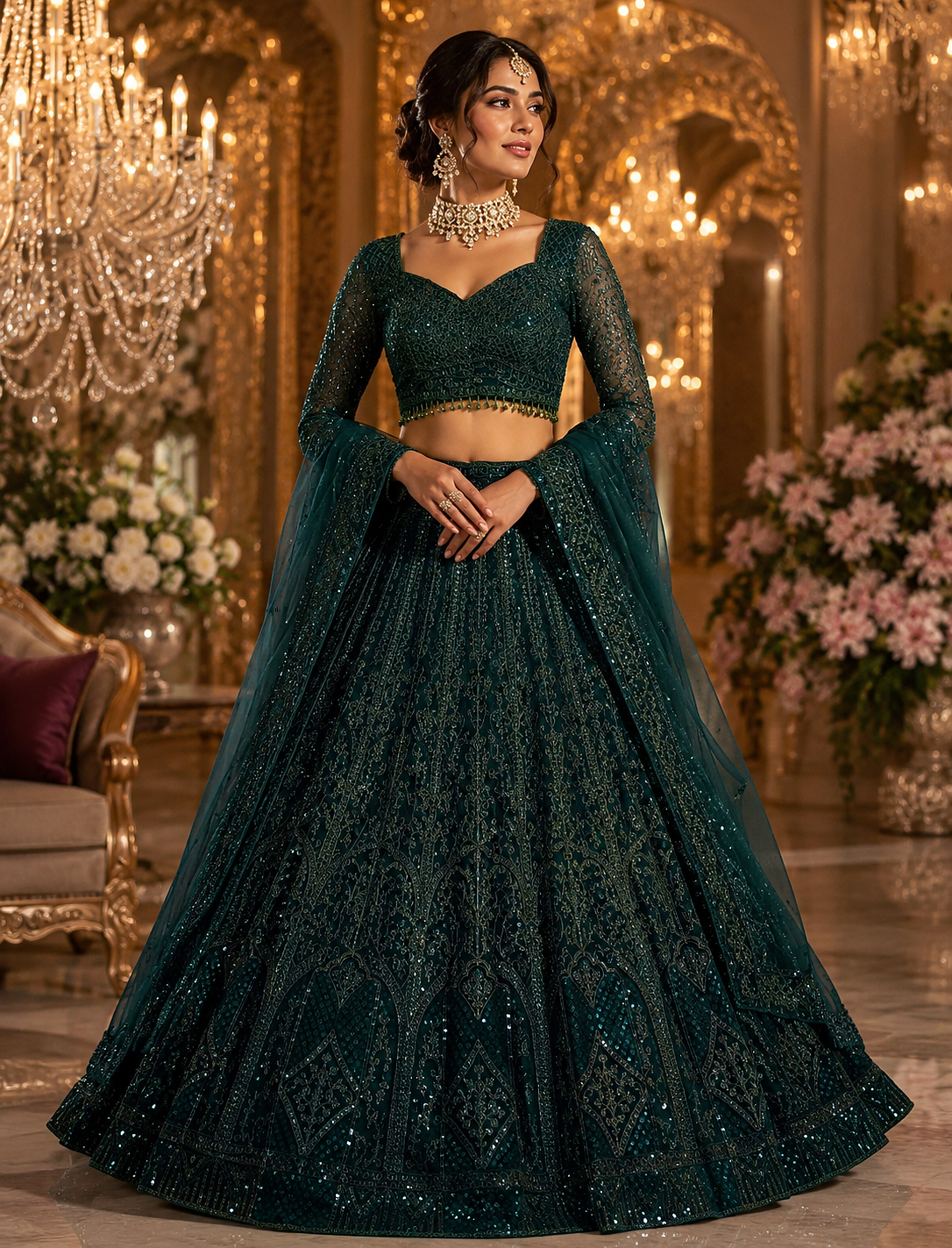
A modern lehenga dress is suitable for receptions, sangeet nights, and destination weddings, while a traditional lehenga choli is a smart choice for the main wedding ceremony and other traditional functions. For instance, a lehenga in colors like red, maroon, and green, with detailed embroidery, works magically for formal events. However, pastel and neutral shades work well for daytime weddings and events.
Practicality for NRI Brides
A wedding lehenga also needs to work well with international travel, fittings, and alterations. Corset designs require accurate measurements because changes to the structured bodice need careful tailoring. Traditional cholis are generally easier to alter through seams, hooks, and closures.
Heavy fabrics such as velvet and brocade also add weight to the whole outfit. Thus, NRI brides should always consult with an experienced tailor before finalizing the outfit.
Conclusion
For an NRI bride, both styles offer different benefits. A corset lehenga gives a modern and fitted look, while a lehenga choli gives a more traditional appearance and easier movement. Think about your comfort, wedding venue, weather, travel needs, and personal style before choosing the outfit for your special day.