

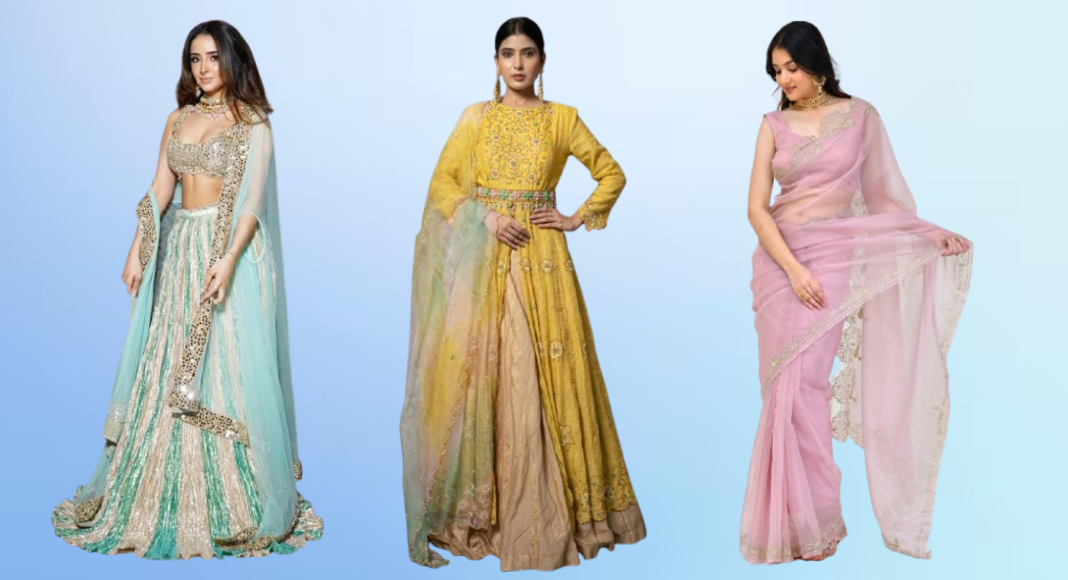
When it comes to fashion, we often hear the experts say, “Dress according to your body type.” But, what does it really mean? We all have unique body structures and we have certain features we love a little more than others. The truth is there’s no perfect or imperfect body type. To truly look fashionable and beautiful, you don’t need to hide or change your body. The whole trick is about choosing clothes that highlight your best features and make you feel really good about yourself. Let’s discover how.
Indian dresses offers a wide variety of silhouettes and one can easily experiment with different styles for different body types. Be it sarees, lehengas, Anarkali suits, salwar kameez, sharara sets or kurtis, each outfit gives a different look and is good for different occasions.
It’s the small details that make a huge difference to the overall look. Simple things like the silhouette, fabric, neckline, sleeves, and embroidery may feel like they’re just about choice. But, in reality, they can change the overall appearance drastically. If you have a fair idea about these things, you can easily pick clothes that make your features look beautiful and strike the right proportions.
How to Identify Your Body Type Before Choosing an Indian Dress
The first step in choosing an Indian outfit should be analyzing your body type. Once you know your body type, you can understand which features will draw attention and which features need to be enhanced. The whole idea is to work with your frame and create balanced proportions so that you look effortlessly put-together.
Pear Shape
In pear-shaped bodies, the hips and thighs are wider than the shoulders. The upper body is usually narrow and the waist is well-defined.
The goal: The aim is not to hide the hips but to make the proportions look balanced by adding visual interest at the upper body.
Apple Shape
Such body types have more weight around the midsection. The legs and arms are usually slimmer.
The goal: The idea is to shift the attention from the fuller midsection and make the torso look elongated and lean.
Hourglass Shape
In such bodies, busts and hips are almost proportionate, and the waist is comparatively narrower.
The goal: For such shapes, the goal should be to highlight the waist and natural curves without adding any bulk.
Rectangle Shape
In rectangular bodies, the shoulders, waist, and hips are almost of the same width.
The goal: The aim should be to create an illusion of a curvy body that has a defined waistline.
Inverted Triangle
In this body shape, the shoulders and bust are wider than the hips.
The goal: Since the upper body carries more weight than the lower half, clothes should add volume to the lower body to create a balance.
Each body is different, and some don’t fit an exact body shape and have a combination of features. It’s important to embrace what suits you the best and remember to use this as a guide rather than as strict fashion rules.
Indian Dress Styles That Complement Different Body Types
Pear-Shaped Bodies
Recommended Outfits
Outfits with flared bottoms or a heavier top look the best. Here are some options you should consider:
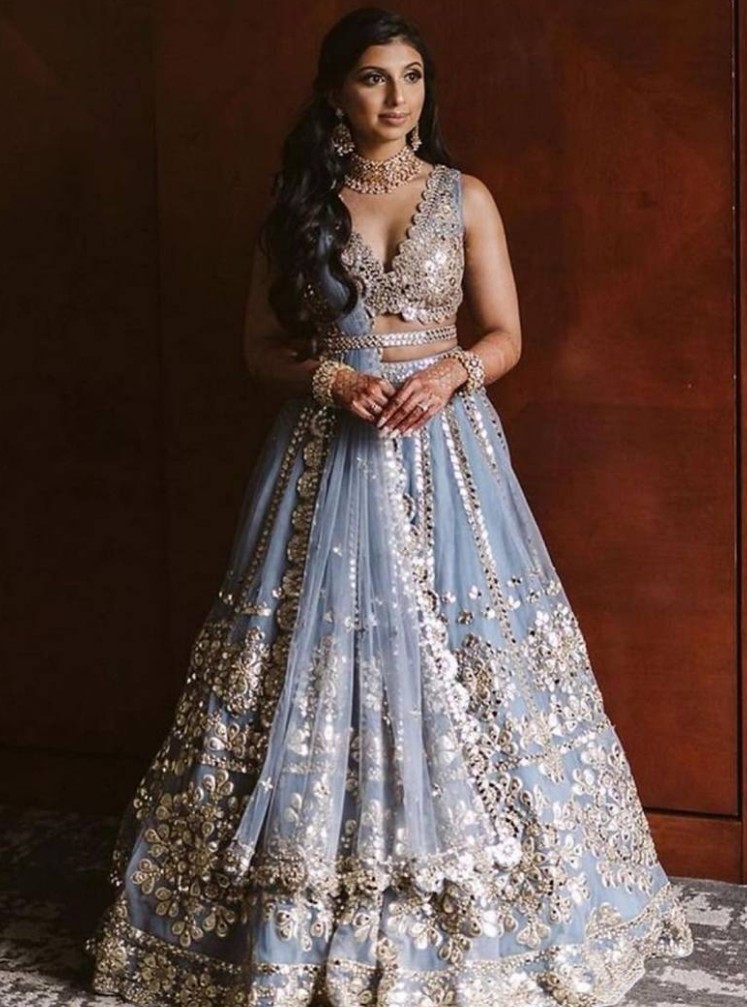
Choose an A-line lehengas with a fitted choli to highlight the upper body. Adding a heavy dupatta also creates volume on the shoulders and chest.
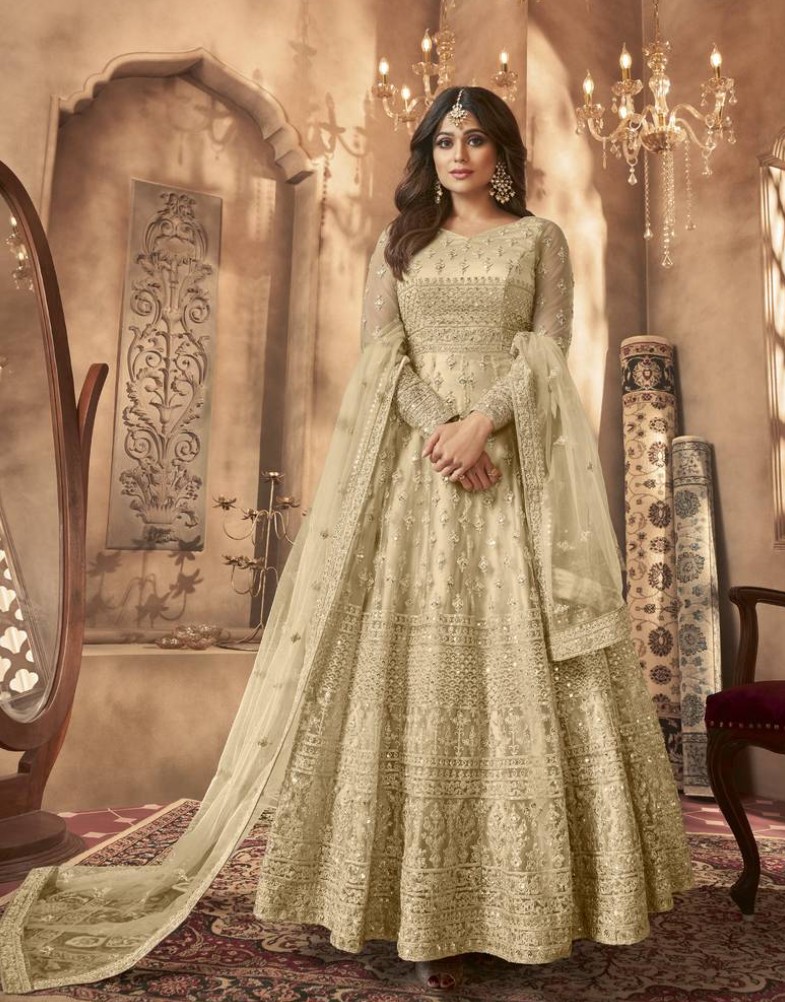
Anarkali suits have fitted tops that emphasize the upper half of the body. Also, their flowy skirts fall over the hips to create a balanced look.
Simple, lightweight sarees like georgette and chiffon that move gracefully are the best choices. You can drape them with an open pallu to add width at the shoulders.
Shararas with peplum tops and wide-leg pants balance the proportions of a pear shape beautifully.
Fabric Suggestions
Choose flowy and lightweight fabrics for bottom wear, like organza, chiffon, or georgette. To direct attention to the upper body, choose tops with structured fabrics like silk, brocade, chanderi, or cotton-silk.
Embroidery Placement
Choose heavy embroidery around the neck or sleeves as it will help balance the look. Similarly, a heavily embroidered dupatta will also do the same job.
Necklines and Sleeves
Choose styles that make shoulders appear broad and create an interesting silhouette on the top. Favorable styles include boat neck, halter neck, off-shoulder necklines, bell sleeves, or puffed sleeves.
Color Suggestions
Consider brighter colors and prints for your choli, blouses, and kurtis. And, you can effortlessly balance the look with solid and dark lowers.
Apple-Shaped Bodies
Recommended outfits
Women with apple-shaped bodies need outfits that define the waistline or draw attention away from the midriff, either works. Here are the best Indian dresses for apple-shaped bodies:
Empire-waist kurtas give the illusion of a longer torso, defining the silhouette very well.
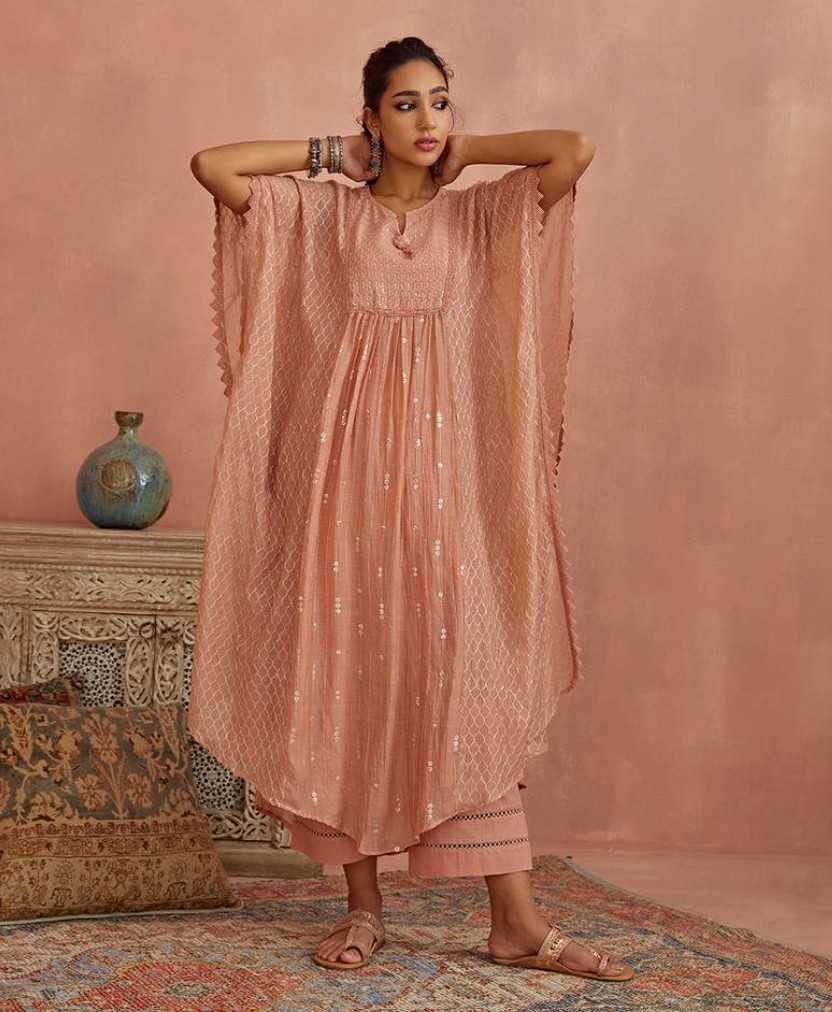
Flowy kurti kaftan sets are apt to draw attention away from the midriff and to create a balanced, beautiful body frame.
Capes and jackets, just like kaftans, give a longer and leaner look, without emphasizing the waist.
Sarees that cinch the waist will create a well-defined and structured look. You can wear belted styles or pair your sarees with a corset.

Fabric Suggestions
Since flowy fabrics and garments are best suited to this shape, you should look for outfits in georgette, chiffon, crepe or soft silk.
Embroidery Placement
For a leaner and longer look, opt for vertically placed embroidery. The best outfits are the ones that have embroidery on the neck or hemline, but the midriff is clear and solid.
Necklines and Sleeves
Deep necklines easily elongate the frame and they don’t even add any bulk towards the waist. Similarly, three-quarter sleeves also create a harmonious proportion and sleeveless options take the attention away from the waist to the upper body.
Color Suggestions
Monochrome outfits or solid colors help to create a long and flattering frame.
Hourglass-Shaped Bodies
Recommended outfits
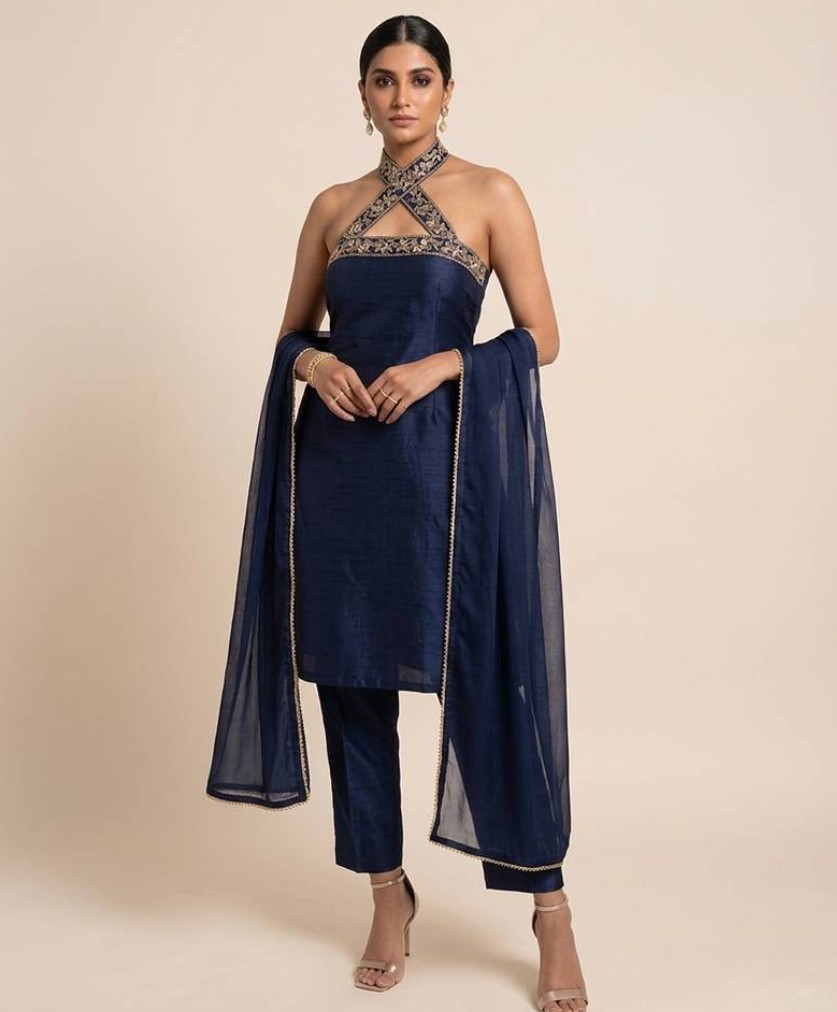
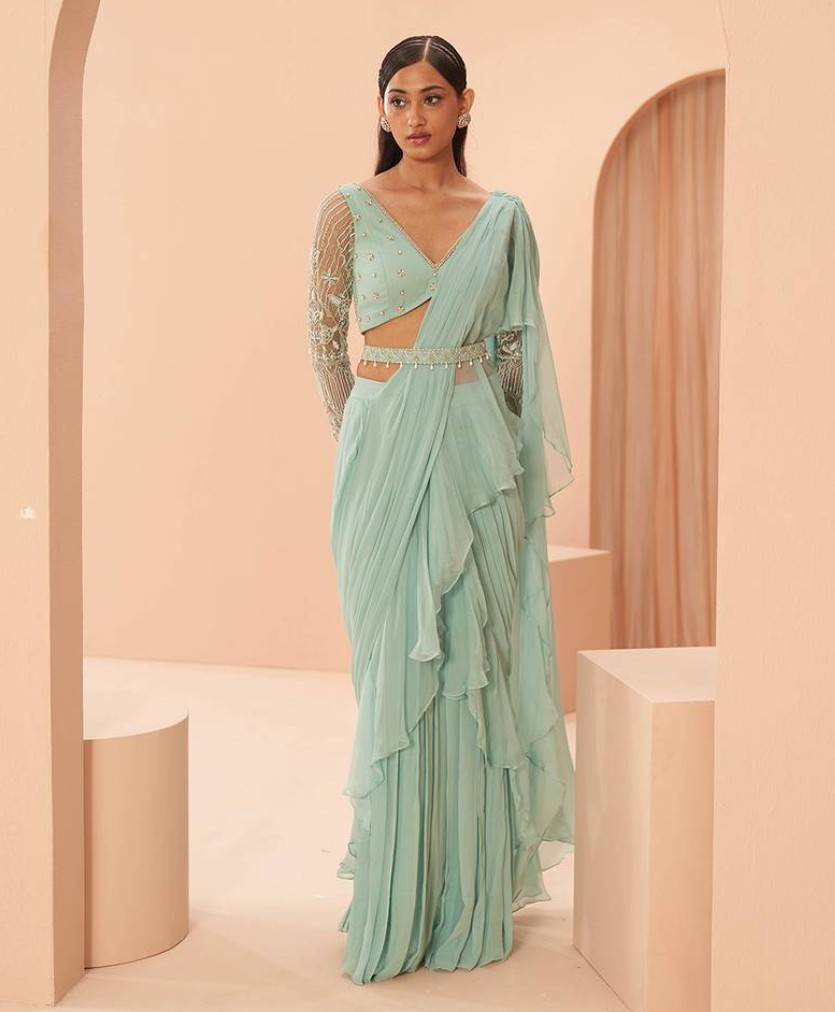
Women with this shape must opt for clothes that emphasize the waist. Avoid shapeless and boxy cuts that will make the body look bulky. Here are the best Indian dresses for hourglass bodies:
Well-fitted kurtis with slim-fit pants and churidar suits highlight natural curves and make the body look flattering.
A fitted lehenga paired with a cropped choli accentuates the natural curves.
Mermaid sarees, fishtail sarees, or ruffle sarees have a tight fit around the waist that highlights the waist. Even heavy sarees like Banarasi and Kanjeevaram look elegant.
Fabric Suggestions
An hourglass body is a versatile body type that looks great in a wide variety of fabrics. From lightweight options like chiffon and georgette to heavy structured ones like silk and organza, almost every fabric works well.
Embroidery Placement
Choose outfits with all-over embroidery or work along the waist. These placements highlight the natural curves.
Necklines and Sleeves
Women with an hourglass body type can experiment a lot with necklines and sleeves. V or round necklines, tapered full sleeves, and sleeveless options look great.
Color Suggestions
Such body types can easily wear a wide spectrum of colors. You can wear monochrome looks, bright shades, and even dark hues.
Rectangle-Shaped Bodies
Recommended outfits
This body type needs to create an illusion of curves and a defined waist. Some appropriate attire options include:
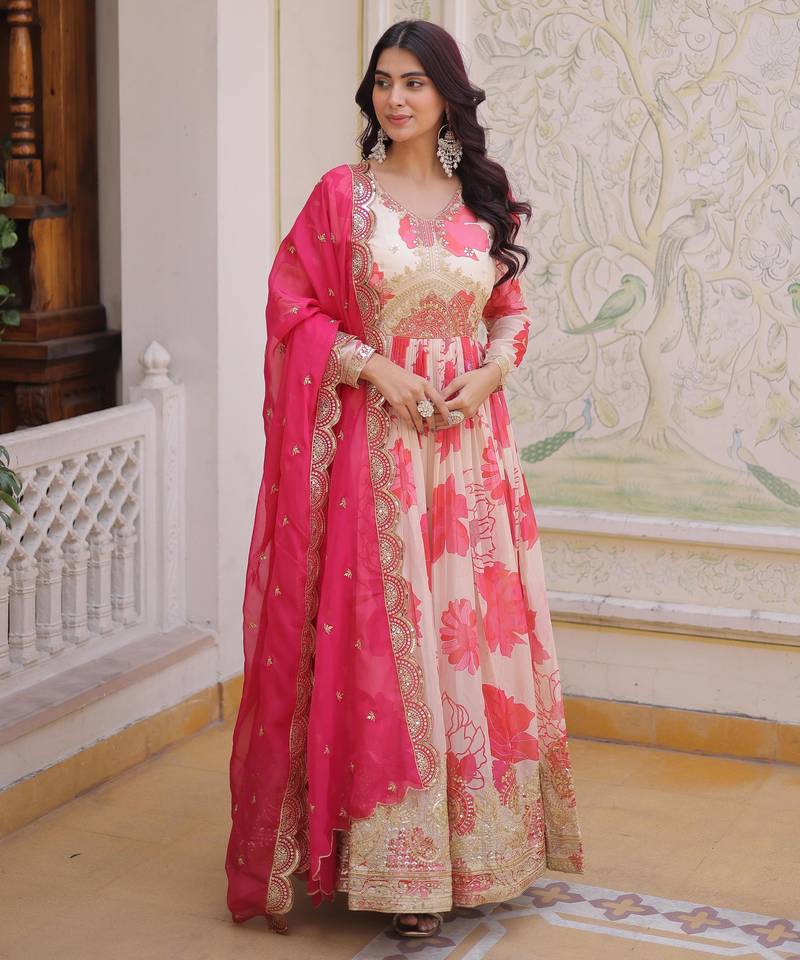
Anarkali suits with fitted body, flared skirt and layered effects give a defined look to the waist.
Peplum kurtas add volume to the hips and make the silhouette look curvy.
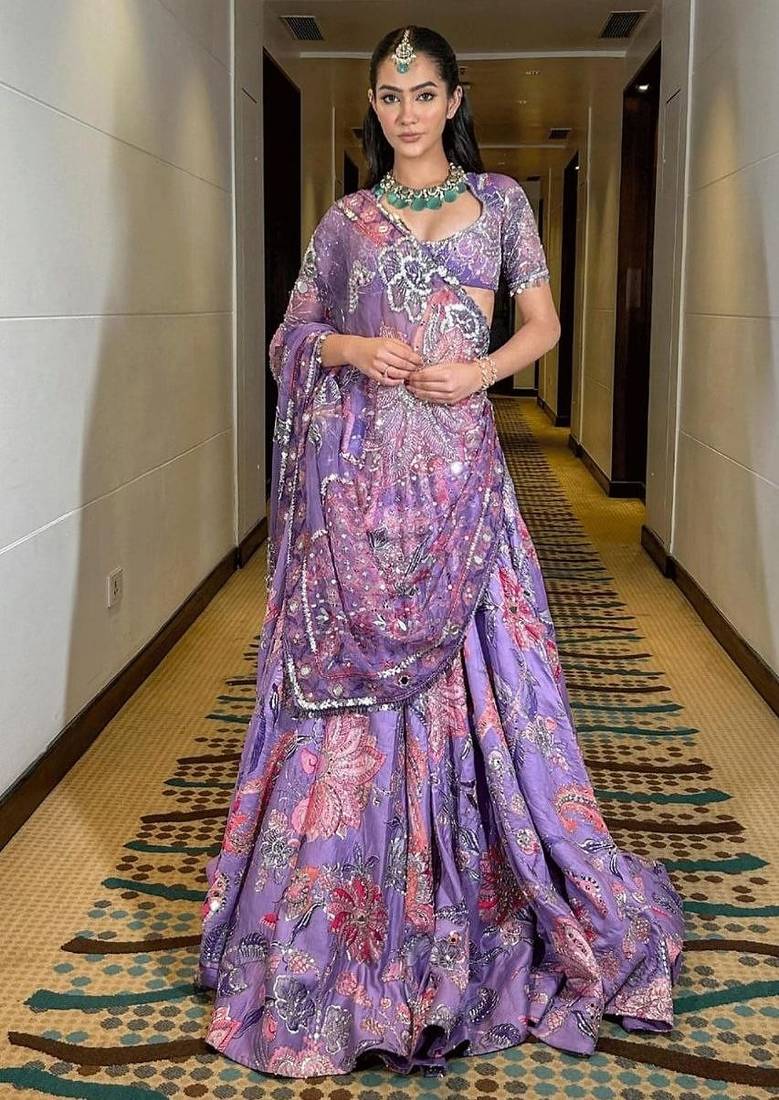
A lehenga that’s flared or layered with a fitted choli balances the frame.
Fabric Suggestions
Wear fabrics that add structure and volume to the body, such as organza, tissue, brocade, or silk.
Embroidery Placement
To create more dimensions, opt for outfits that have embroidery at the bust, shoulders, hips, and waist.
Necklines and Sleeves
Necklines and sleeves that create visual interest around the arms and neck are best suited. You can go for sweetheart or off-shoulder necks and ruffled or puffed sleeves.
Color Suggestions
To create a balanced look, try color blocking with a dark shade around the waist.
Inverted Triangle-Shaped Bodies
Recommended Outfits
The most-suited Indian outfits for inverted triangle-shaped bodies create balance by adding volume to the lower half. You can try these options:
A-line lehengas balance broad shoulders by adding volume to the lower half of the body.
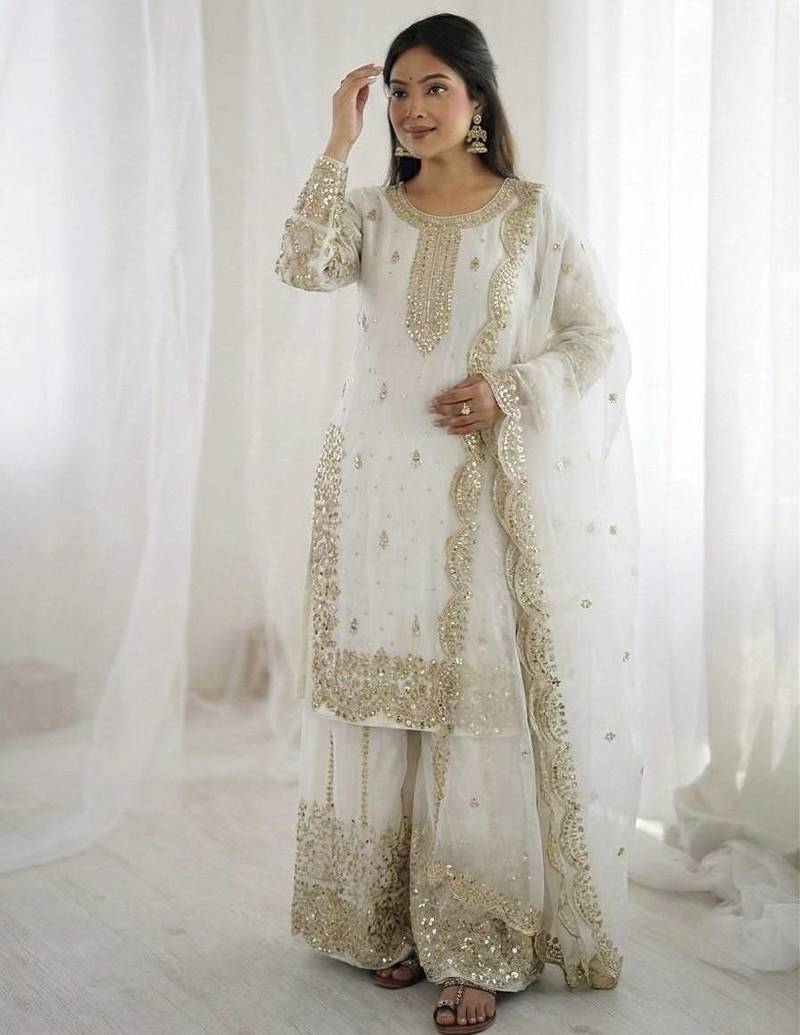
Sharara and gharara sets with wide-legged bottoms look voluminous and balance the overall silhouette.
Straight-cut kurtas with flared palazzos highlight the lower body, thus balancing the entire look visually.
Ruffled sarees or sarees with thick borders and embroidery at the hem also look beautiful on an inverted triangle body shape.
_-_Copy_zoom.jpg?1706784959)
Fabric Suggestions
To add volume towards the bottoms, choose fabrics in structured and voluminous fabrics like organza, tissue silk, or silk. To keep the upper body minimal, choose lightweight fabrics like georgette, chiffon, or crepe.
Embroidery Placement
Outfits should have heavier embroidery on the bottoms, and the choli or kurtis should be relatively simpler.
Necklines and Sleeves
Opt for soft necklines like round neck or U neck and stick to simple sleeves to soften the shoulders.
Color Suggestions
You can wear darker shades on the top and brighter colors for the bottom wear to make the look balanced. Choosing the right Indian attire is more than simply choosing the right silhouette. Fabrics, necklines, prints, colors, and embroidery all help to create the look and feel of an outfit. The best style choices are the ones that fit your body type, fit the occasion and fit your personal style so you always feel confident when you get dressed up.