

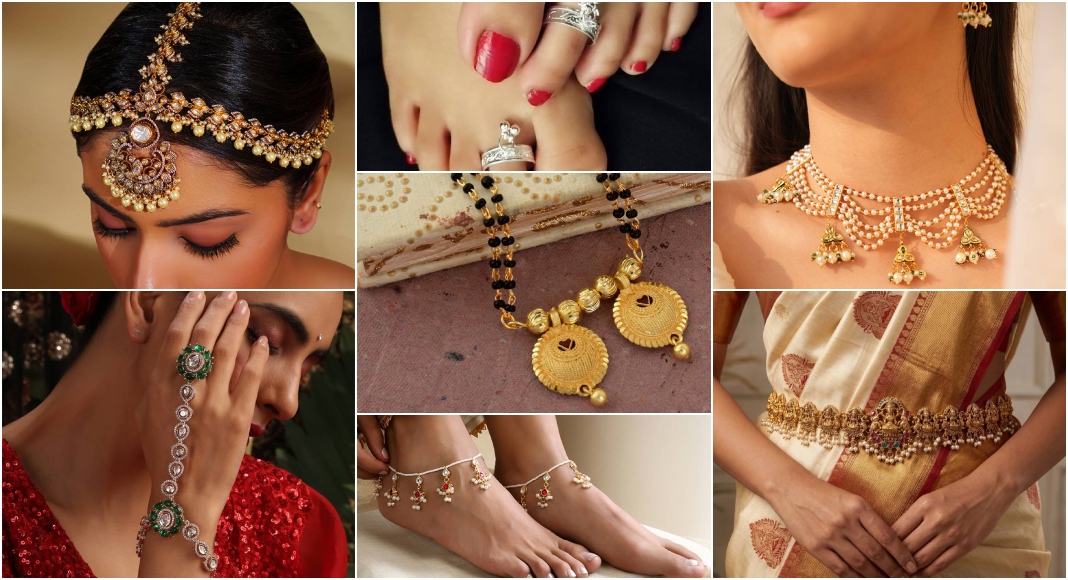
Indian bridal jewelry is not something that you simply wear on your wedding day it is something that you carry through to your new life. Every necklace resting on your collarbone, every bangle touching your wrist and every tiny nose ring holds emotion and meaning because it becomes a part of your journey as a married woman.
This is the only reason why jewelry in an Indian wedding is never chosen casually. It is not just about matching outfits or following trends. Each piece is selected with your thought, emotion and meaning because it becomes a part of who you are after marriage. The jewelry you wear, your heritage, your values and even the region you come from. When someone looks at your bridal jewelry, they can often tell your story without you saying a word. That deep cultural connection is what gives traditional Indian bridal jewelry its timeless beauty. Jewelry has also been a symbol of your marital status: your bangles, toe rings and the Mangalsutra quietly announced that you are married. These are not just ornaments that are meant for day one only. You continue wearing them long after your wedding rituals and slowly weave them into your everyday life and family conditions.
As your wedding unfolds, your jewelry changes with every ceremony, your engagement jewelry feels graceful and elegant and it marks the beginning of your new chapter. Mehndi jewelry is light and playful, matching the laughter and excitement around you. Your wedding day jewelry is heavier and more powerful, meant to protect and celebrate you at the most important moment of your life. Reception jewelry then brings in a modern and glamorous touch, reflecting confidence and new beginnings. Each look mirrors a different emotion in your bridal journey
History of Indian Bridal Jewellery
The story of Indian bridal jewellery begins thousands of years ago. In the Indus Valley civilization, people already used beads, shells and metals to create ornaments. These early pieces were not just decorative; they were believed to protect the wearer and bring positive energy.
During the Vedic time, jewelry became even more symbolic. Gold and silver were seen as pure metals, and gemstones were chosen for their spiritual power. Brides wore jewellery to invite happiness and good health into their married life.
The Mughal era brought luxury and artistry into Indian jewellery. This is where kundan and gemstone-studded designs became popular. Royal brides wore layered necklaces and grand earrings. Even today, many bridal designs are inspired by this royal Mughal style.
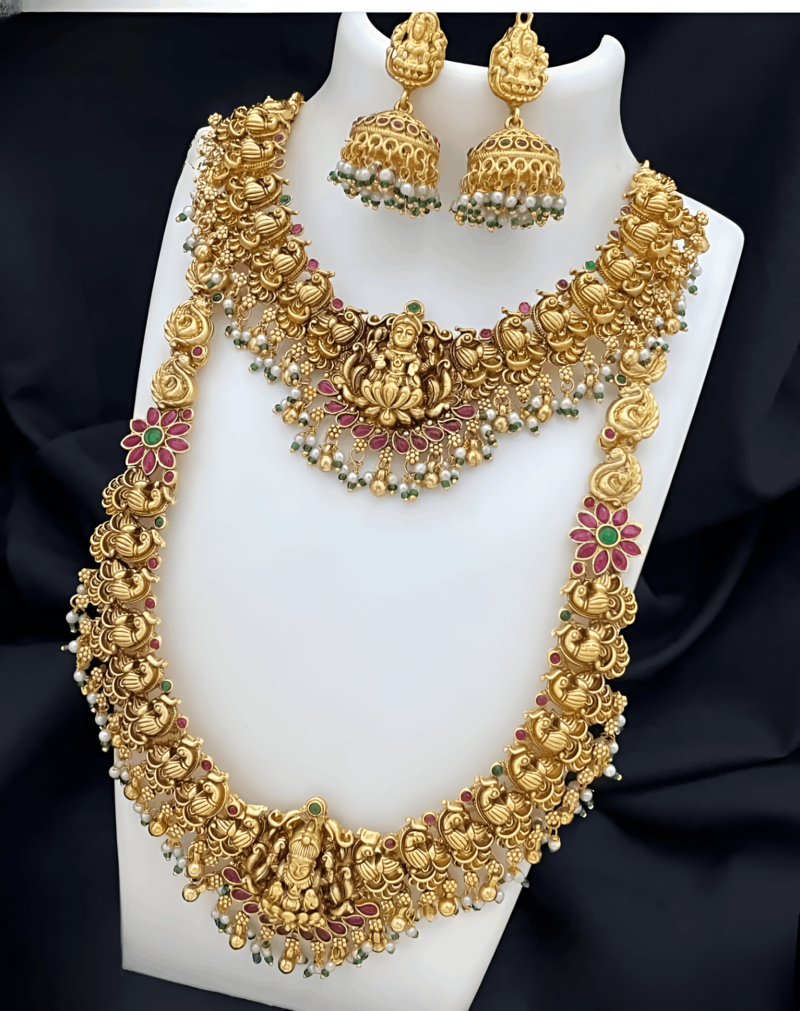
In South India, temple jewellery developed designs based on gods and goddesses. Brides wore these pieces to feel blessed and spiritually protected during marriage.
Later, British influence introduced diamond cutting and western settings, adding a new layer of style. Today, Indian bridal jewellery beautifully combines all the ancient traditions with modern craftsmanship.
Significance of Bridal Jewellery in Indian Weddings
Bridal jewellery carries deep meaning in your wedding. One of the most important ideas is Stridhaan, which means your personal wealth. The jewellery you receive from your parents and in-laws belongs to you alone and represents your security and independence.
Jewellery is also believed to bring prosperity and protection. Gold and silver are set to attract positive energy and keep away negativity. It is the reason why brides are adorned with jewellery from head to toe.
Religion and astrology also play a very important role. You can see that a lot of families choose gemstones based on the bride’s horoscope, believing that they will help bring peace and balance into her married life.
Jewellery gifted by your parents is a sign of love and care, while jewellery from your in-laws shows welcome and acceptance. These gifts create strong emotional bonds between your families. Gold holds special importance because it is linked to goddess Lakshmi, the symbol of wealth and happiness. Wearing gold on your wedding day is believed to bring happiness to your new home.
A Complete Look at All Types of Indian Bridal Jewellery
Indian bridal jewellery is designed to adorn you from head to toe in beauty, tradition, and meaning. Every piece plays a very important role in completing your bridal look and connecting you to your culture. From grand necklaces to delicate toe rings, each ornament adds layers of elegance and symbolism.
Bridal Necklaces
Haar and Raani Haar are long necklaces that give you a rich and royal appearance. You can often layer them to create a luxurious look that stands out beautifully against your bridal outfit. These necklaces have been worn by brides for generations and are deeply connected to Indian wedding traditions.

Chokers sit close to your neck and add a modern yet elegant touch to your bridal style. Temple necklaces feature divine designs inspired by gods and goddesses, while kundan necklaces are loved for their detailed craftsmanship.
Bridal Earrings
Jhumkas are timeless and add a traditional charm that never goes out of style. Chandbalis are bolder and also more dramatic, making them perfect for you if you want a striking look. These earrings beautifully frame your face and add a glow to your expressions.
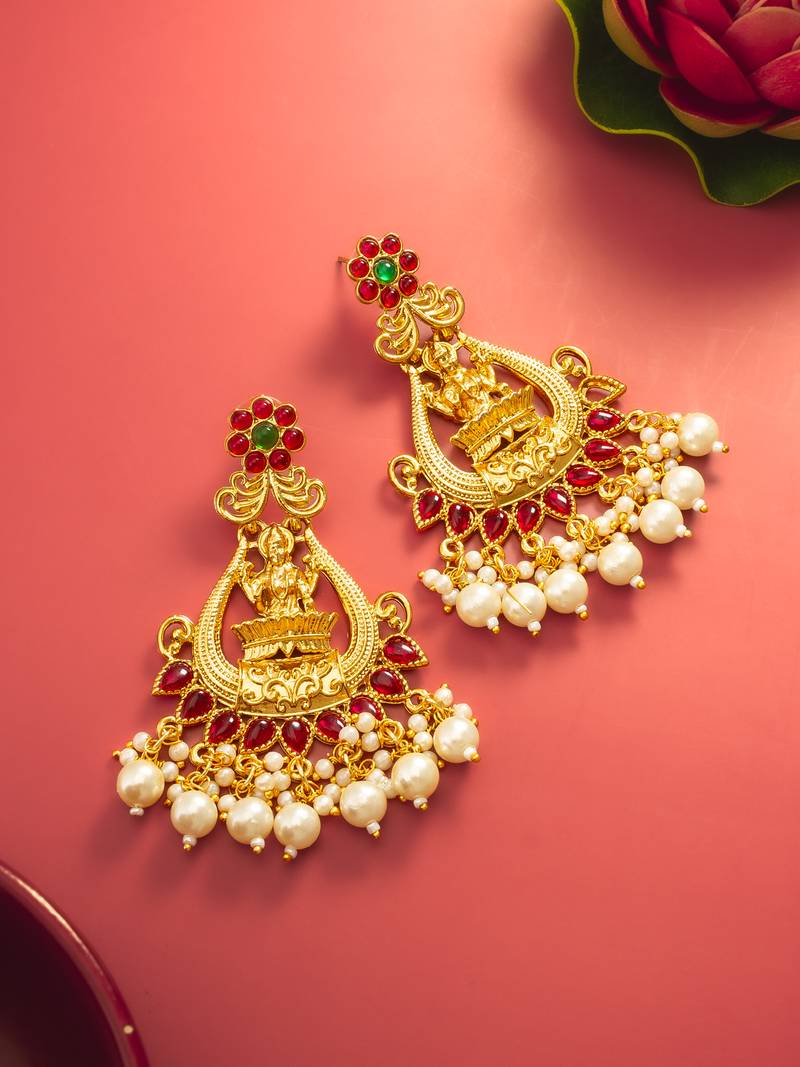
Studs are chosen by brides who prefer a simple and graceful style. Ear chains also support heavy earrings while adding extra beauty, especially in grand bridal looks.
Bridal Maangtika and Matha Patti
A single tikka in the centre of the forehead completes the bridal look by drawing attention to your face. It is one of the most important bridal accessories that adds a traditional touch to your overall appearance.

Matha Patti runs across your hairline and gives you a royal and well-framed look. A passa is worn on the side of your head and is popular in Mughal-inspired bridal styles. It adds grace and uniqueness.
Bridal Nose Jewellery
Nath is a large traditional nose ring that gives you the most iconic look. It represents the beauty tradition at the beginning of married life. You can wear it proudly because it carries deep cultural and emotional meaning.

Nose studs are a softer and more modern choice, but they still hold importance after marriage. You can continue wearing it as a sign of your new identity. Whether simple or diamond-studded, they add elegance to your face.
Bridal Hand Jewellery
Bangles are strong symbols of marriage, happiness, and prosperity. You can wear them to show that you have entered a new phase of life filled with love and responsibility. Haath Phool connects the ring to the bracelet and decorates your hands beautifully. It looks especially elegant during wedding rituals when your hands are in focus.

Rings are often gifted by family members and hold emotional value. They become lasting memories of your wedding and the people who gifted you.
Bridal Waist and Leg Jewelry
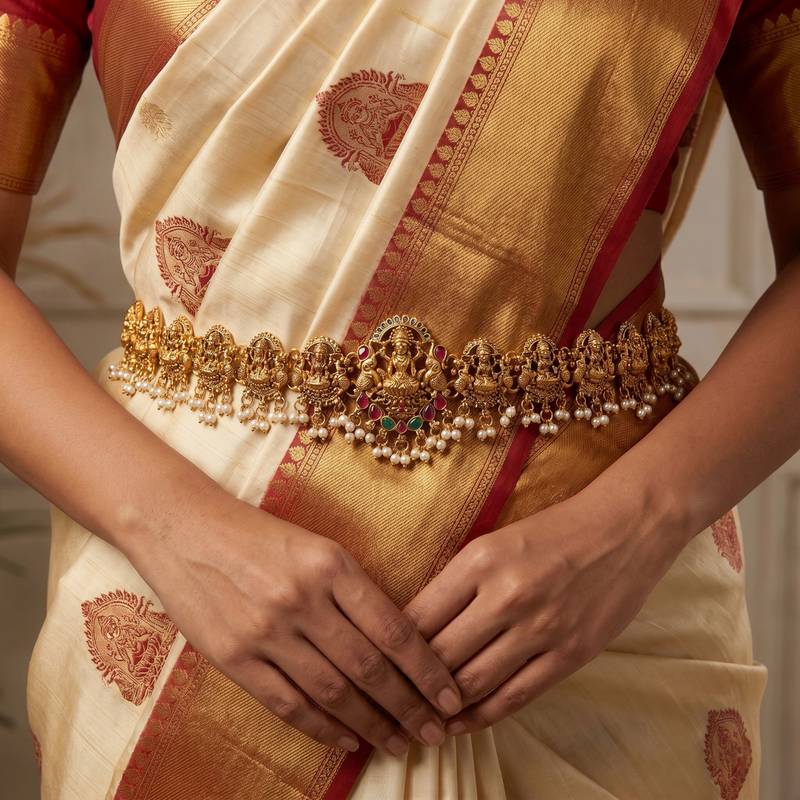
Kamarbandh is worn around the waist to support your outfit and add a royal touch to your bridal look. It highlights your figure and gives your outfit a more polished and elegant finish.
Anklets, also known as Payal, add charm to every step. The soft sound they make is believed to bring positive energy to your new home. Toe rings are worn by married women and are a sign of marriage. They are a traditional symbol of your new status.
What Indian Bridal Jewellery Is Made From
Gold bridal jewellery is the most traditional and highly valued because it represents wealth, purity, and long-term prosperity. You can wear it for beauty, and also for culture and emotional importance. Silver jewellery is also prominent, especially in many regional and bridal styles.
Kundan jewellery uses gemstones set in gold and gives a rich, royal look. Polki jewellery features uncut diamonds that look natural, while meenakari adds colourful enamel designs that make your jewellery more vibrant and detailed. Precious and semi-precious gemstones are perfect for both beauty and spiritual meaning. Pearl jewellery feels soft and graceful, while diamond jewellery gives you a modern and elegant look.
Regional Bridal Jewellery Styles Across India
North Indian bridal looks are known for kundan jewellery, layered necklaces, and red gold colour themes that create a royal bridal look. South Indian brides prefer heavy gold jewellery with temple designs, which reflect deep cultural traditions.
Maharashtrian brides wear the famous nath and Kolhapuri saaj, besides green bangles that give them a unique identity. Bengali brides are known for shankh pola bangles and traditional gold jewellery.
Rajasthani brides often choose to add jewellery and enamel work for a colourful royal style. Gujarati brides love Jadau chokers, while Kashmiri brides are known for their dejhoor earrings and elegant silver jewellery.
Bridal Jewellery for Every Wedding Function
Engagement jewellery is elegant and graceful as it marks the start of your wedding journey. Mehendi jewellery is light and comfortable, often floral, so you can move freely and enjoy the celebrations. Haldi jewellery is simple and bright, matching the cheerful and sacred mode of the ritual.
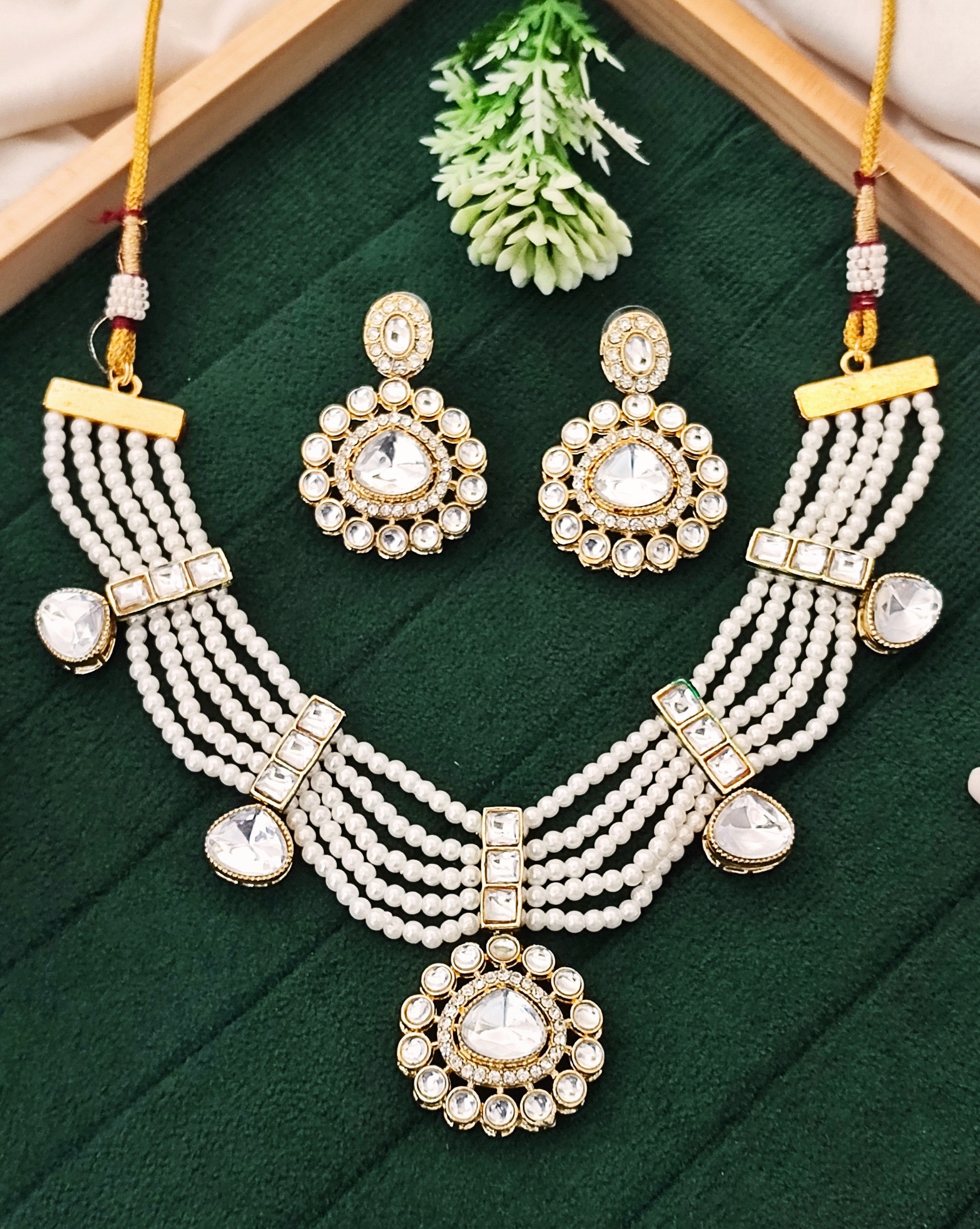
Wedding day jewellery is the heaviest and most traditional because it is an important moment of the entire wedding. Reception jewellery is more often modern and glamorous, giving you a stylish and confident final look.
Jewellery Styling for Every Kind of Bride
Every bride is different, and so is her jewellery style. Some brides love heavy traditional pieces while others prefer a clean modern look. Your jewellery should always match your personality, your outfit, and the kind of wedding you are having. That is the only reason why choosing jewellery based on your bridal style makes everything feel more balanced and beautiful.
- If you are a traditional bride, you will actually love gold-heavy necklaces, bangles and classic designs that reflect your family customs. This style looks rich and deeply rooted in Indian culture. If you choose this look, you can often wear heirloom jewellery or traditional kundan and temple designs.
- If you are a modern minimalist bride, then you might prefer clean lines, light jewelry and simple elegance. You might wear a single statement necklace, small studs or a sleek choker. This look keeps the focus on your face and outfit while still looking stylish and graceful.
- If you choose to be a royal heritage bride, then you can choose jewellery that looks grand and elegant. Polki and layered necklaces, besides heavy earrings, are common in this look. This style is perfect for you if you want to feel like royalty on your wedding day.
- Destination wedding brides usually go for lighter and more comfortable jewellery. As the setting is relaxed, you can often choose floral pieces or small diamonds. The idea is to look beautiful without feeling weighed down.
- Indo Western bridal jewellery blends Indian tradition with Western style. You can pair a lehenga with diamond jewellery or wear a saree with a modern choker. This style is perfect for you if you love mixing old and new.
Gold or Artificial Jewellery – What Should a Bride Choose?
When it comes to bridal jewelry, one big question always comes up: should you go for real gold or artificial jewelry? Both have their own benefits, and the right choice depends on your budget and how you plan to use your jewellery after the wedding.
Real gold jewellery is valuable and holds emotional and financial importance. You can wear it again and again in the future, or you can even pass it down to the next generation. But it is expensive and can make the bride look very heavy.
Artificial or imitation jewellery has become very popular because it looks just like real gold and diamonds but costs much less. You can wear heavy designs without worrying about safety or price. This is why many modern brides today prefer artificial sets for functions like receptions or even pre-wedding events.
Rental bridal jewellery is another growing trend. You can even rent heavy bridal sets for just one or two days. This allows you to wear designer jewellery without spending a huge amount of money. Smart brides today are mixing real and artificial jewellery. They wear real gold for important pieces like mangalsutra and bangles, and use imitation jewellery for heavy necklaces. This helps you balance your beauty and budget.
How to Pick Jewellery That Truly Suits You?
Choosing bridal jewellery is not just about what looks beautiful; it is also about what suits you, your outfit, and your comfort level. The right jewellery can make you glow, while the wrong choice can really feel heavy or out of place.
- Your jewellery should match your outfit. A heavy lehenga looks best with layered jewellery, while a simple sari or a gown looks better with lighter, elegant pieces. Everything should feel balanced.
- Your face shape really matters. Brides with round faces look great in long earrings, while Oval faces suit almost all styles. If you have a long neck, chokers look really beautiful on you.
- Neckline plays a critical role. Deep necklines go well with chokers and layered necklaces, while high-neck blouses look better with long necklaces.
- Skin tone also affects jewellery choice. Yellow gold suits warm skin tones, while white gold and diamonds really look beautiful on cooler skin tones.
Bridal Jewellery Trends Brides Are Loving Right Now
Bridal jewellery trends keep changing, but some styles are becoming favourites for modern brides today. You can see many brides mixing tradition with fashion, and that shows clearly in their jewellery choices.
Layered necklaces are very popular because they create a rich and royal look. You can mix long necklaces and chokers to add depth to your bridal style. Statement chokers are also trending. These pieces sit close to your neck and make your face stand out beautifully.
Pastel jewellery is becoming prominent for day weddings and modern bridal looks. The softer shades look fresh and elegant. Minimal bridal jewellery is another big trend. You can now choose just one or two beautiful pieces instead of heavy sets. Vintage-inspired jewellery is also making a comeback. Antique designs and old-world charm give you a royal and timeless appearance.
Keeping Your Bridal Jewellery Safe and Beautiful
Bridal jewellery is precious, so it needs proper care. After the wedding, you need to store your jewellery in soft cloth or padded boxes to avoid scratches and damage.
- Kundan jewellery should be cleaned gently with a soft cloth. Furthermore, you need to ensure that water and chemicals are avoided because they can damage the stone and polish.
- To prevent tarnishing, your jewellery should be kept away from moisture and perfumes. It is always good to store them in airtight boxes or zip bags.
- You can also take jewellery insurance, especially for expensive gold and diamond pieces. These give you peace of mind in case of loss or damage.
Smart Shopping Tips for Bridal Jewellery
- Before buying bridal jewellery, you must always check the quality and finish, just make sure that the tones are secure and the design feels comfortable.
- Hallmarking is very important for gold jewellery. It confirms the purity and authenticity of your metal.
- Online jewellery shopping offers more variety, but offline stores make it very easy to try on their jewellery. You can use both to compare options. Custom-made jewellery is perfect if you want something unique, while ready-made jewellery is more affordable.
- It is good to start jewellery shopping at least four to six months before your wedding. This gives you enough time for changes and even matching outfits.
Bridal Jewellery FAQs
How much bridal jewellery does an Indian bride usually need?
There is no fixed rule for how much jewellery you should have because every wedding and every bride is different. Some brides wear heavy jewellery for all functions, while others keep it simple and elegant.
Which jewellery pieces are considered important for Indian brides?
Certain items are considered essential in many Indian cultures. These include a mangalsutra, bangles, nose pin or toe rings. The pieces are decorative and also show that you are married.
What kind of jewellery looks best with a heavy bridal lehenga?
A heavy lehenga looks best when paired with bold and well-balanced jewelry. You can choose statement chokers, layered necklaces, or large kundan sets. When a lehenga is detailed and grand, the jewellery should also have a strong presence so that the overall look feels complete.
Can you rent your bridal jewellery instead of buying it?
Yes, many brides choose to rent rather than buy jewelry, especially for heavy or designer sets. Renting allows you to wear expensive-looking jewellery without spending a large amount of money. It is also a good option for pieces that you can only wear once, like large necklaces or statement earrings for your wedding day.
How should bridal jewellery be styled for a small or intimate wedding?
For small weddings, you can prefer a softer and more elegant jewellery style. Instead of wearing very heavy sets, you can choose a beautiful choker and a delicate nose pin or mangalsutra.