

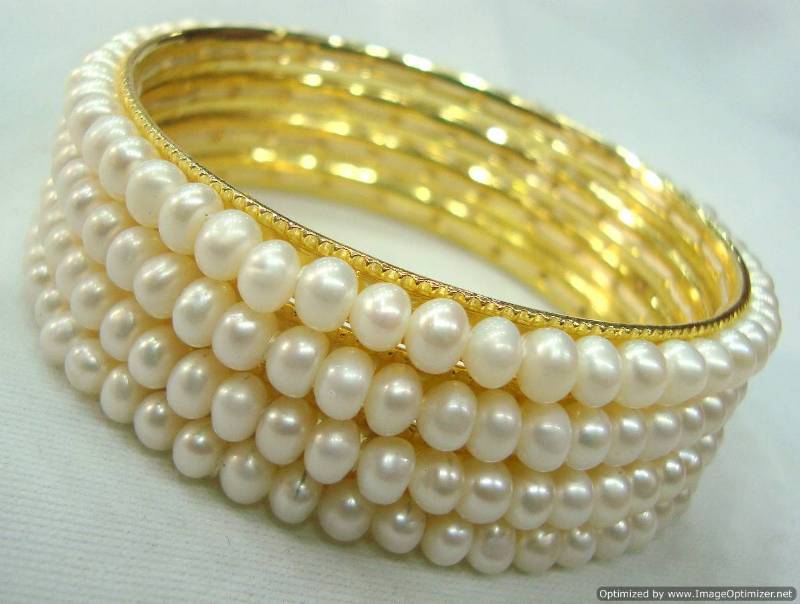
Wondering how to glam up your look?? Looking for options to get that perfect Indian look?? Want strike it right with jewellery when it comes to a flawless salwar kameez or saree avatar?? Put on some bangles. Buy bangles online. Buy them at a jewellery online store.
I’m Lakshmi a junkie when it comes to artificial jewellery. Here is the entire treasure of artificial jewellery available online. Especially the range of bangles is startling. For further details check out the website:
Finding the perfect accessories:
Any outfit is not complete without the best kind of jewellery to go with it. Unless you find the perfect accessory your look is not complete. The women today dress themselves with elegance; they have adorned the traditional saree with a whole new modern touch.
These independent and confident women require jewellery to match their modern attitude. This need has transformed the jewellery industry and has made sleeker and modern design flood the market.
This is catered to by the numerous bangles and bracelets that flood the market in various styles and shapes. Not only are these versatile in design and material used but also bangles and danglers can be found in various styles to fit the pockets of all.
From glass to lack to metal to plastic these bangles are available in all sizes and shapes. There is a bangle online for your every need. The online bangle market has a blend of modern say designs with the traditional designs. The wide range of collection is sure to tempt you.
Buying bangles and bracelets online:
To procure your favourite artificial jewellery the best possible way is to buy jewels online. the collection of jewellery online is boundless. Not only this, the buying of jewels online is a win-win situation for you because:
- Ease of buying at the comfort of your house, sitting on a couch
- Saves time, money and most importantly energy
- Wider range of products available
- Better discounts available
- More offers are available
- Better prices
- You can choose from different products
Another important factor to take into consideration when it comes to buying online is that the e-commerce saree blouse stores are very competitive, to cater to more sales and in turn more customers they give extensive discounts and come up with different offers.
Gift bangles, bracelets to a loved one:
For all the men out there, this is the mantra that you should always remember the way to your women’s heart is jewellery. You not sure how to buy them? does the complicated terms flabbergast you??
Here is the solution to your problem, go log on to your computer, find the accessory be it bangle bracelet or dangler earrings and buy bangles online with the swipe of your card through jewellery online shopping and see the immeasurable smile on her face.