

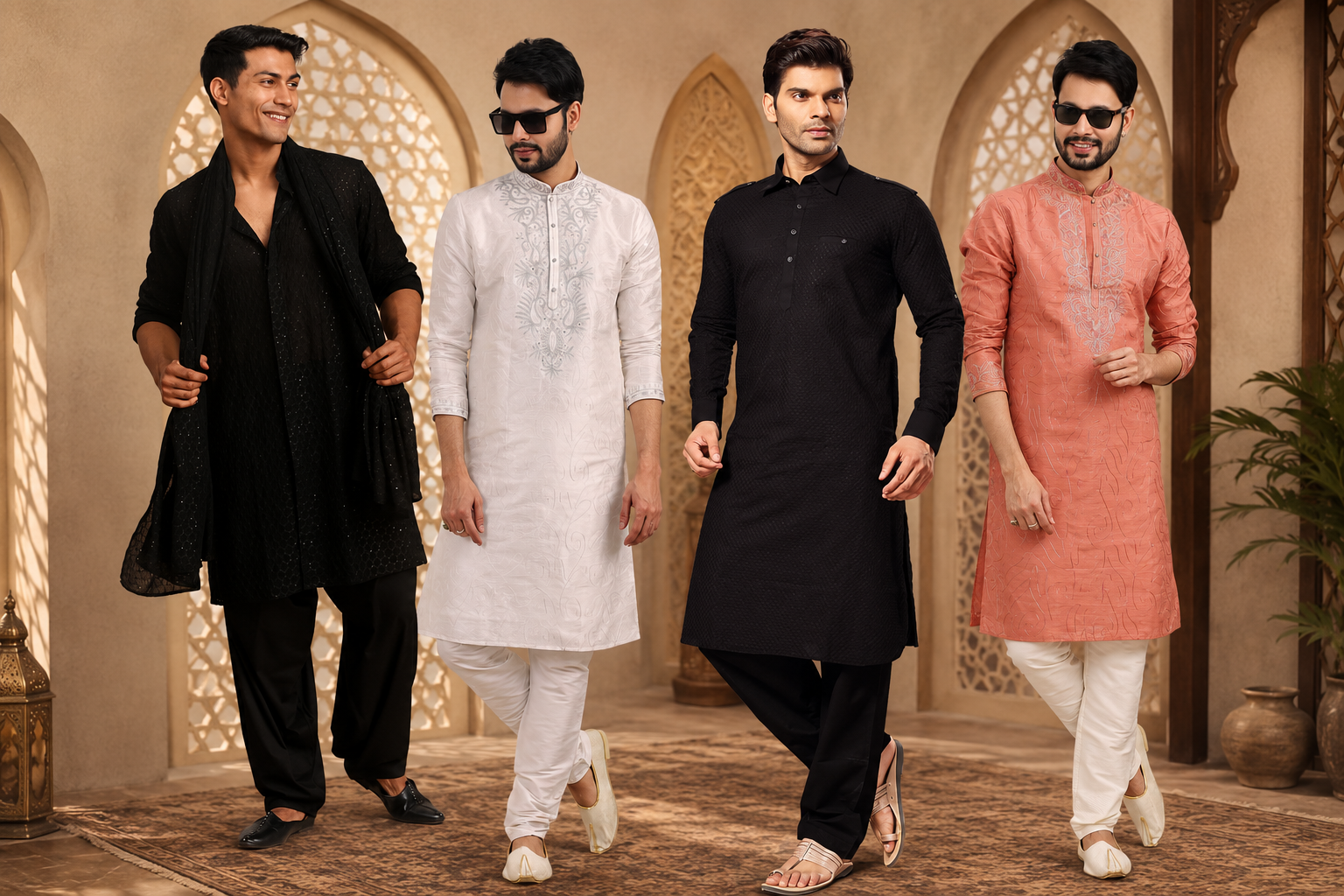
Styling Islamic men’s clothing correctly isn’t just about choosing the right silhouette. The real work starts after you’ve picked the outfit, when you have to figure out what goes on your feet, what sits on your head, and which small details bring the whole look together. A perfectly tailored thobe with the wrong shoes still looks unfinished. A Kandura without the right accessories ends up looking plain rather than put together.
In this blog, we walk through how to pair every major style of traditional Islamic wear with footwear and accessories that genuinely work, so you show up to Friday prayers, Eid gatherings, or a wedding looking intentional, not like you grabbed whatever was closest.
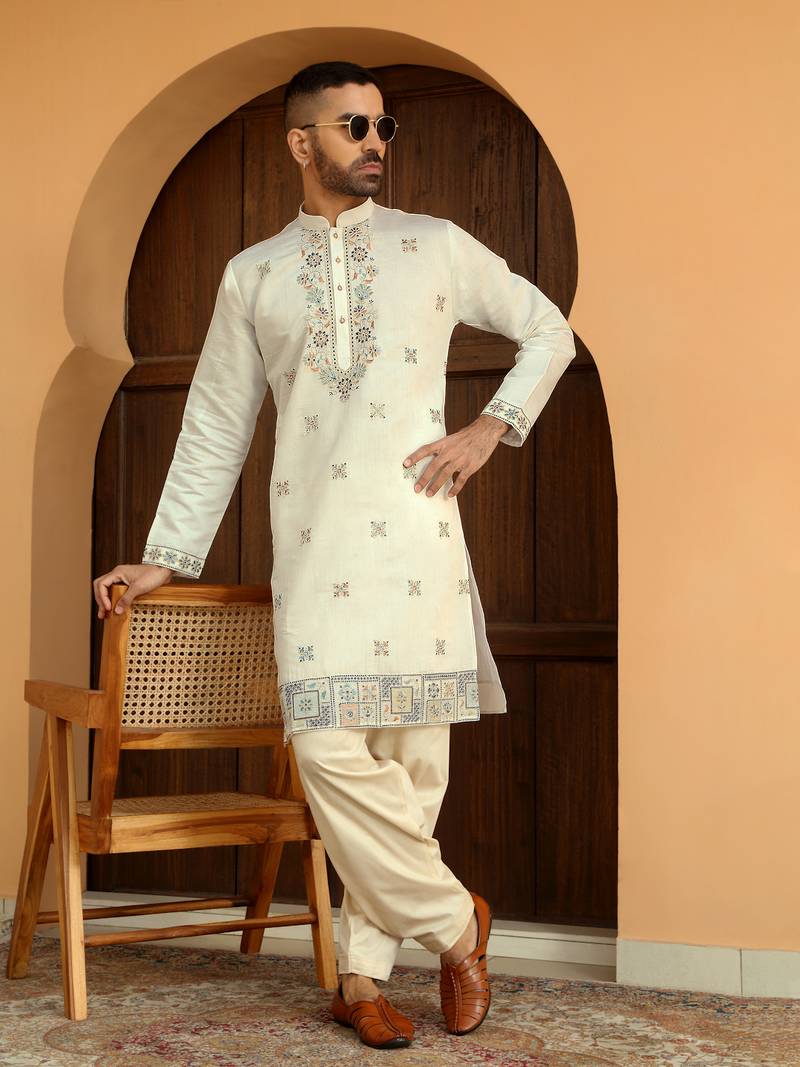
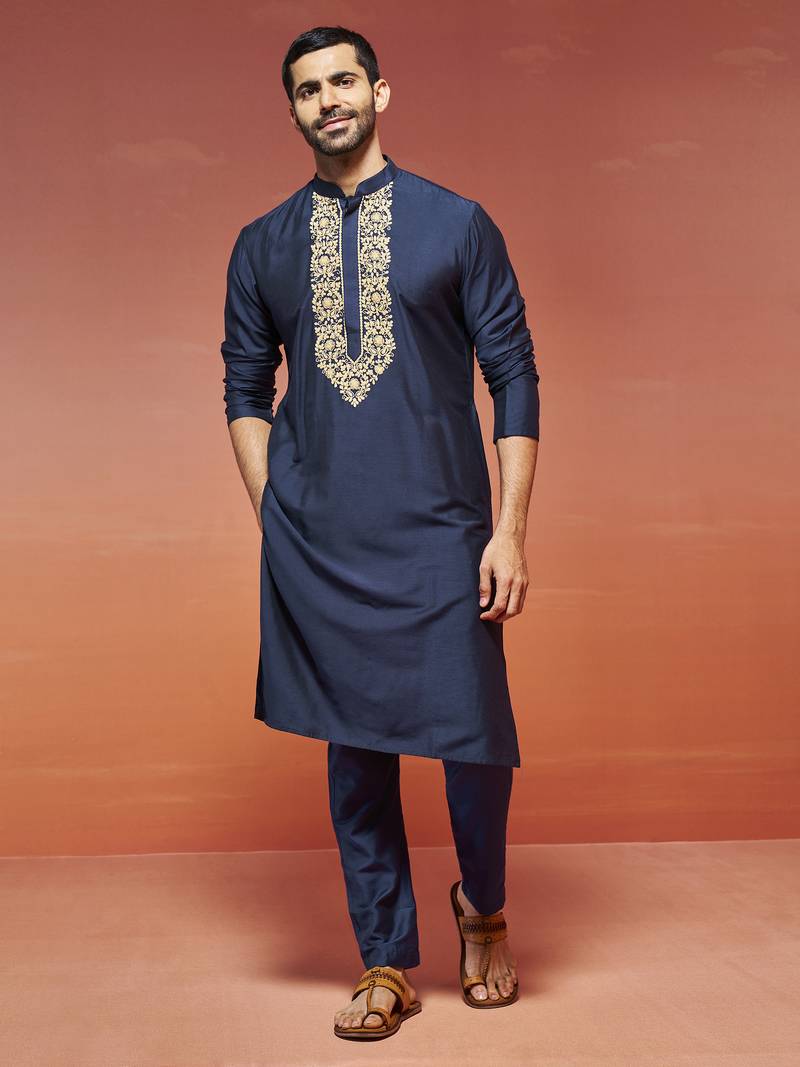
Islamic Outfit Styling 101: Matching Footwear to Each Look
Footwear makes or breaks Islamic outfit styling.
Thobe and Kandura: Stick to leather sandals or closed loafers in tan, black, or oxblood. For formal events, a polished leather Khussa or a simple slip-on with minimal stitching keeps the focus on the robe itself.
Shalwar Kameez: Traditional Khussa or Mojari shoes work well, especially in embroidered or metallic finishes for festive wear. For everyday Shalwar Kameez, a clean leather sandal or loafer is more practical and still looks sharp.
Pathani suits: Peshawari chappals are the classic match with their flat sole and minimal design, complementing the straight lines of the Pathani cut.
Kurta pajama: Mojaris, juttis, and even smart loafers all work, depending on the dressiness of the kurta. Save the heavy embroidery juttis for weddings and festive events.
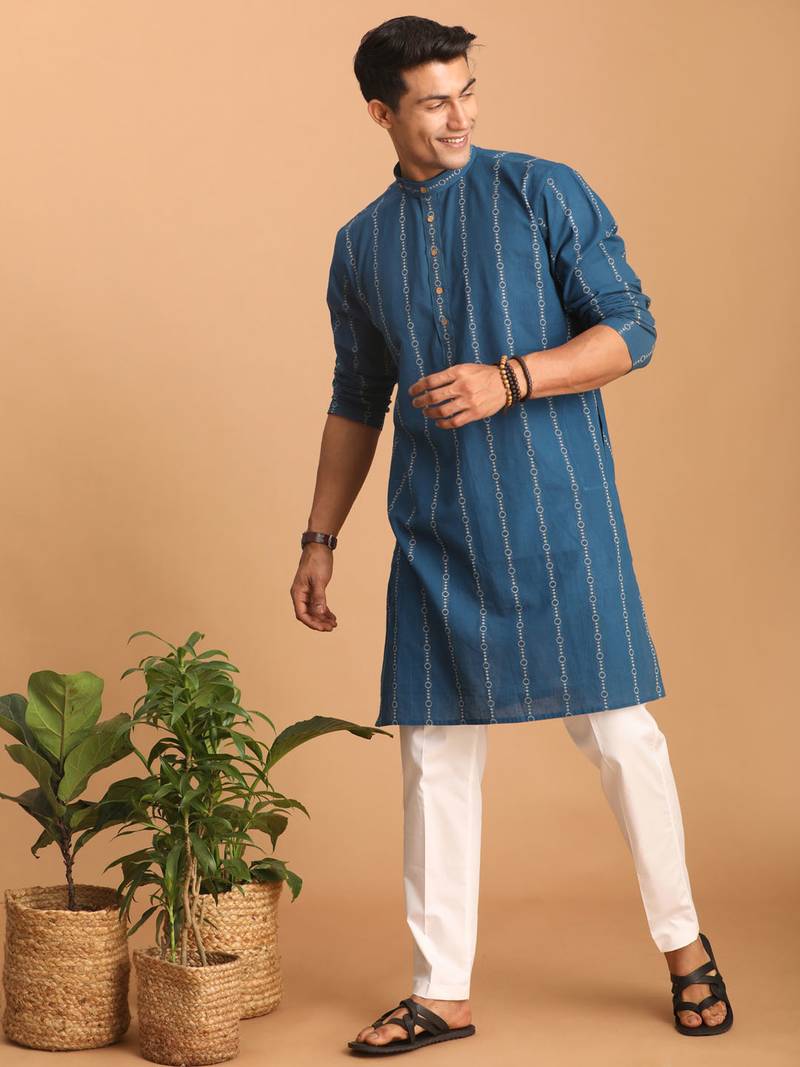
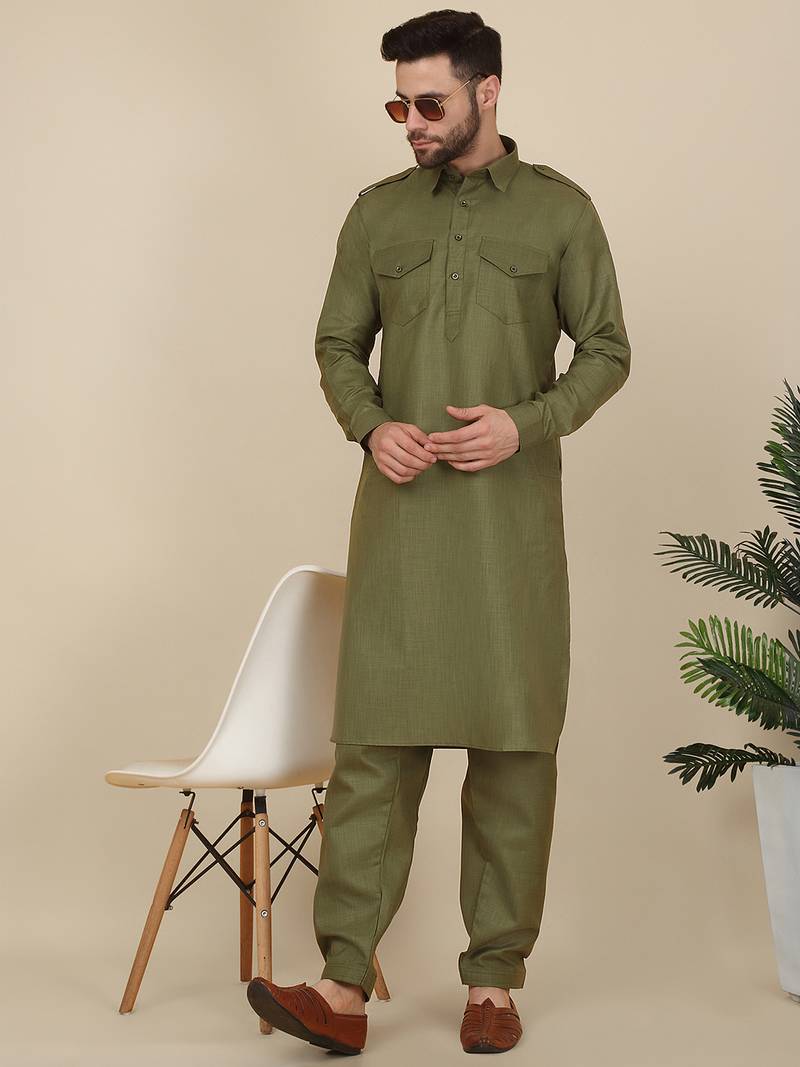
Kufi Cap Styling: The Finishing Touch
Kufi cap styling is one of the easiest ways to elevate men ethnic wear Islamic looks without much effort.
A few rules that actually matter:
- Match fabric, not just color. A velvet kufi suits heavier winter thobes, while a cotton or linen kufi pairs better with lightweight summer fabrics.
- Keep prints in conversation with each other. If your thobes for men or kurta has visible texture or embroidery, choose a solid kufi. If your outfit is plain, an embroidered or patterned kufi adds interest.
- Size it properly. A kufi that’s too loose looks careless, and one that’s too tight looks like an afterthought.
For Friday prayers, choose a plain white or grey kufi against a white thobe for a classic combination, and pick embroidered or jacquard kufis for adding festive detail to Eid celebrations.
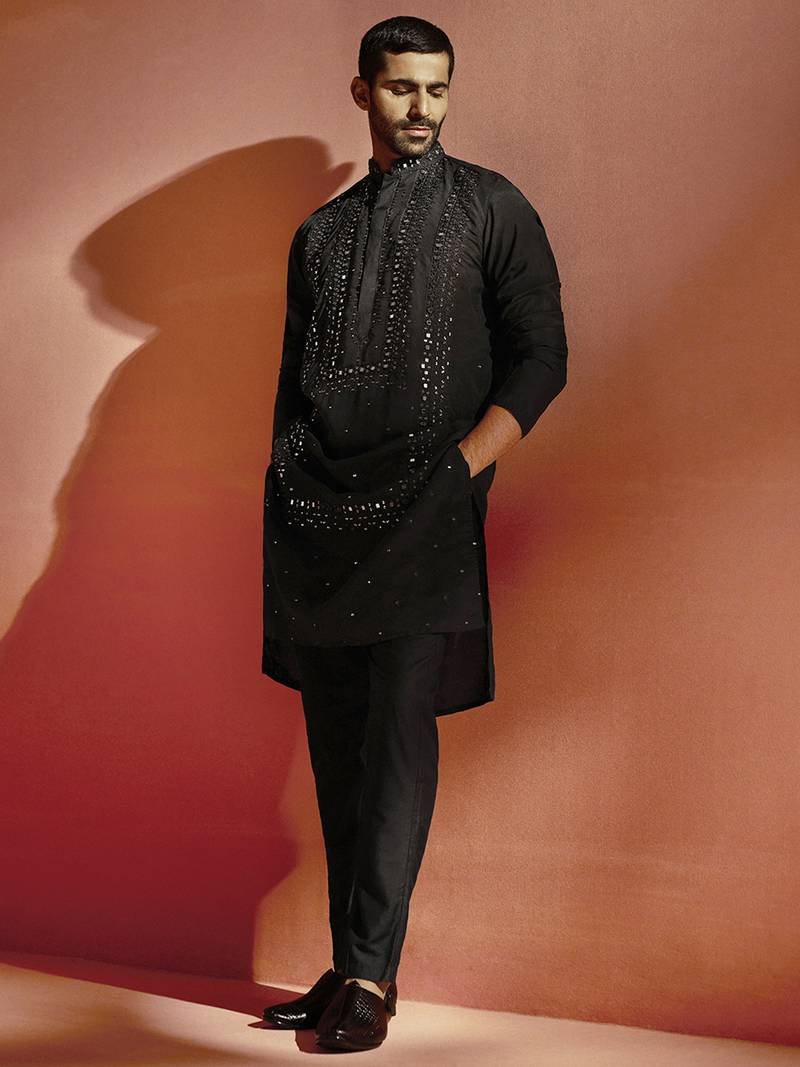
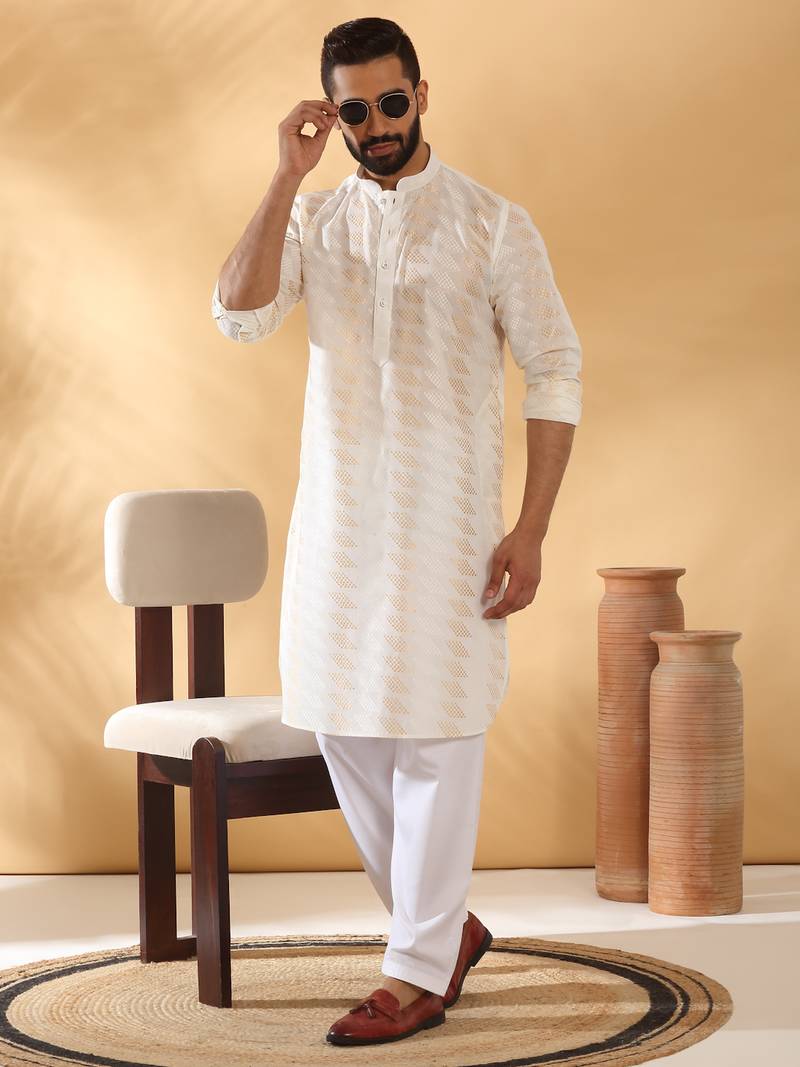
Islamic Men’s Accessories That Complete the Look
The right Islamic men accessories are what separate a good outfit from a memorable one.
Prayer beads (tasbih): Beyond their religious use, a wooden or agate tasbih looped over the wrist adds a quiet texture to a plain thobe or kurta.
Itr (alcohol-free perfume): A subtle, woody itr is traditional and works well with most traditional Islamic wear, especially for Friday prayers and Eid.
Wristwatch: A leather-strap watch in brown or black suits, thobes and mens kurtas equally well.
Shawl or stole: For winter or evening events, a plain or lightly patterned shawl draped over a Kandura or thobe adds warmth and an extra layer of formality.
Cufflinks: If your kurta or thobe has a button-cuff sleeve, simple metal or stone cufflinks are a small but effective upgrade for weddings and formal gatherings.
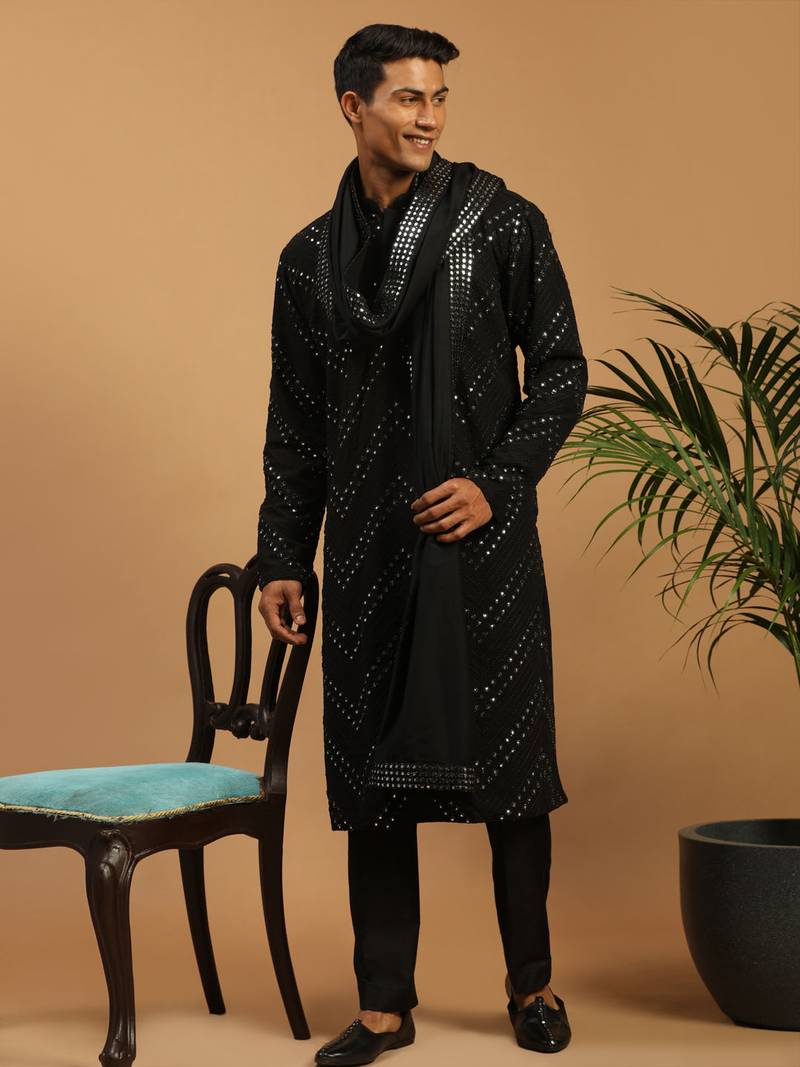
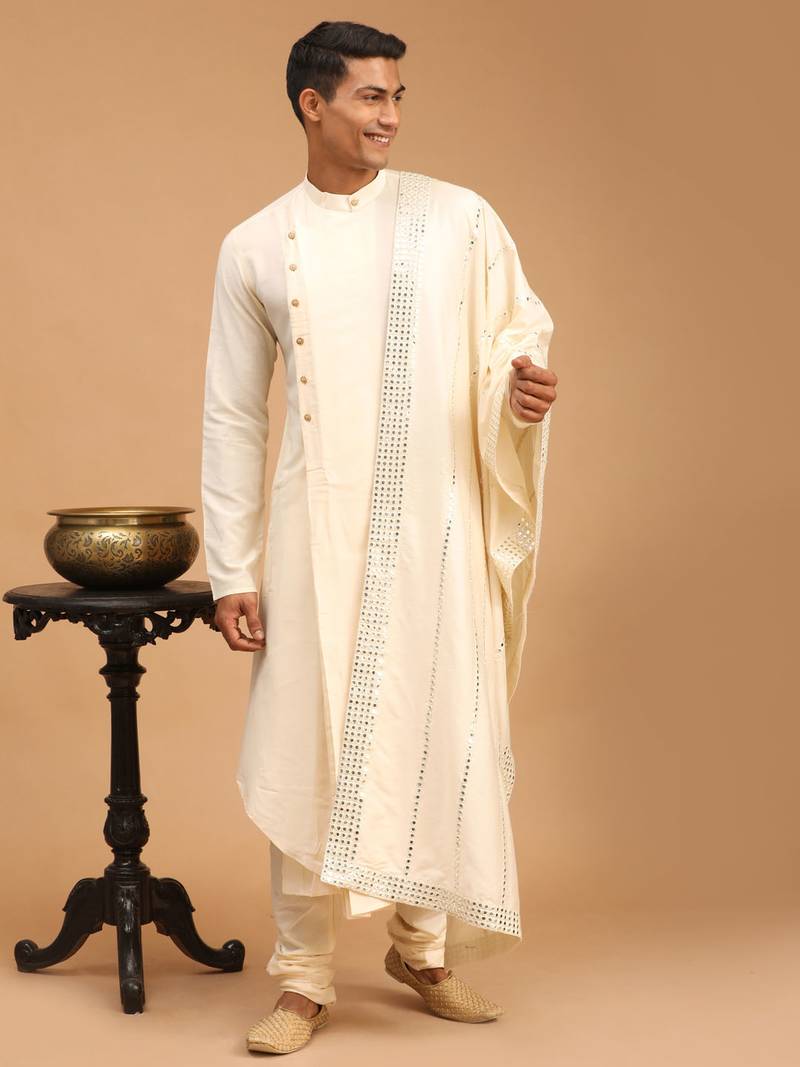
Styling by Occasion: What to Wear Where
Occasion is an important part of Muslim men fashion.
Friday Prayers (Jummah): A white or pastel thobe or kurta pajama, leather sandals, a plain kufi, and a light itr work well for these events.
Eid Celebrations: Think richer fabrics like silk-blend thobes or embroidered Shalwar Kameez, paired with Khussa or Mojari shoes, a patterned kufi, and a wristwatch.
Weddings: Go for structured pieces like a Kandura with a tarboosh detail, a bandhgala-style kurta pajama, or a Pathani suit in a heavier fabric. Pair with polished Mojaris or leather loafers, cufflinks, and a well-fitted shawl.
Everyday Wear: Linen or cotton kurta pajama or a simple thobe for men, paired with leather sandals and minimal accessories.
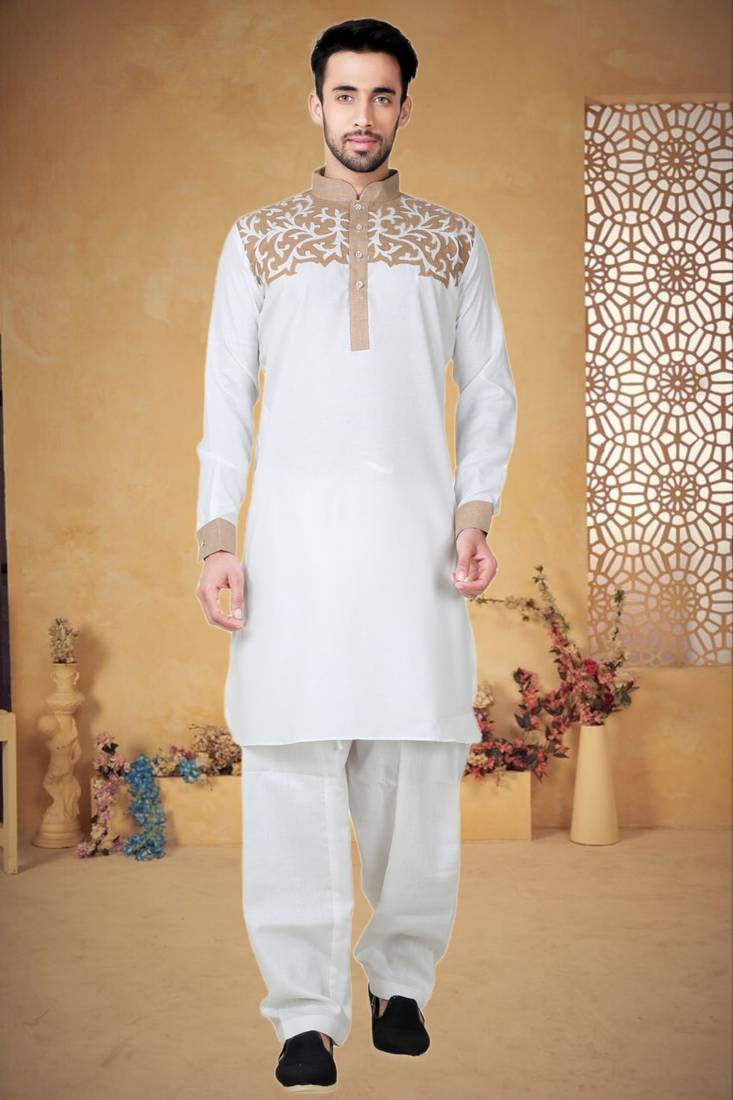
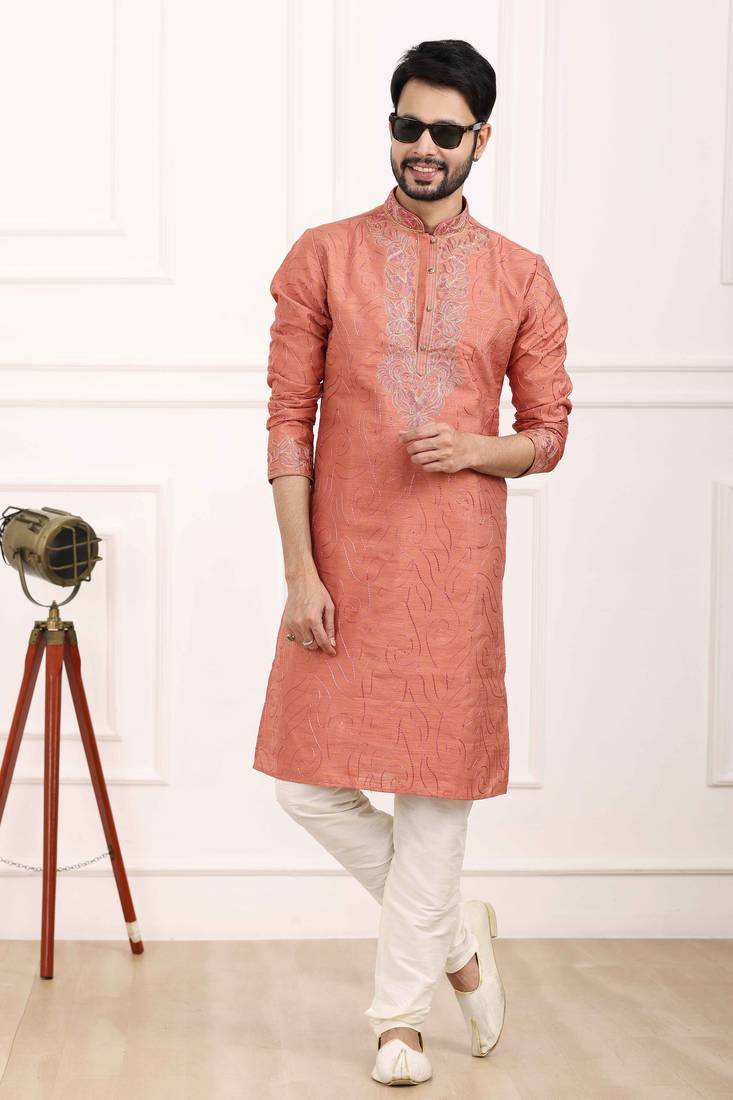
Mistakes That Quietly Ruin the Look
A few things to watch for:
Mixing fabric weights: A lightweight cotton thobe with a heavy wool shawl looks unbalanced, and vice versa.
Over-accessorizing a plain outfit: If your kurta is simple, you don’t need a tasbih, cufflinks, and a patterned shawl all at once.
Wearing sneakers with a Kandura or thobe: This is the single fastest way to make a formal outfit look casual by accident.
Ignoring proportion: A long, flowing thobe needs a kufi and shoes that are equally understated, not oversized or busy.
Building a Wardrobe That Works for Every Occasion
The strongest muslim dress for men’s wardrobe isn’t built around one perfect outfit. It’s built around a few well-chosen pieces: a thobe, a kurta pyajama, maybe a Pathani suit, each paired with footwear and accessories that already make sense together. Once you have that foundation, getting dressed for Jummah, Eid, or a wedding becomes a matter of mixing pieces you already trust rather than starting from scratch every time.